kwame Nkrumah
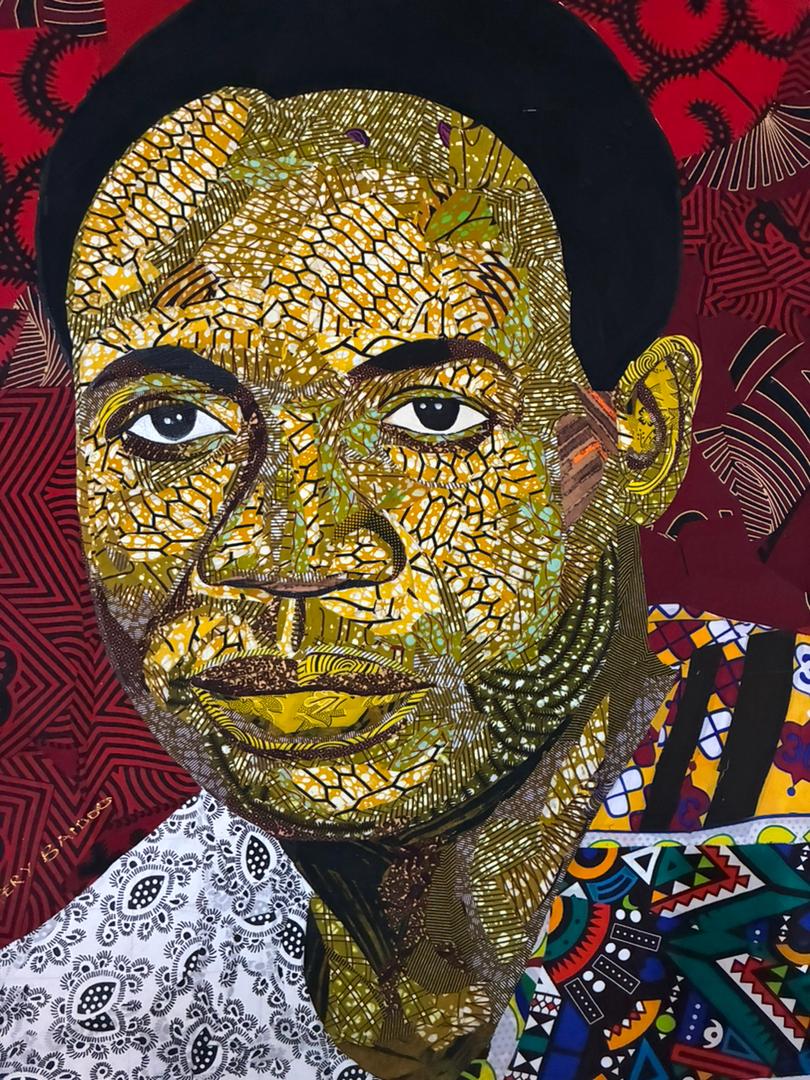
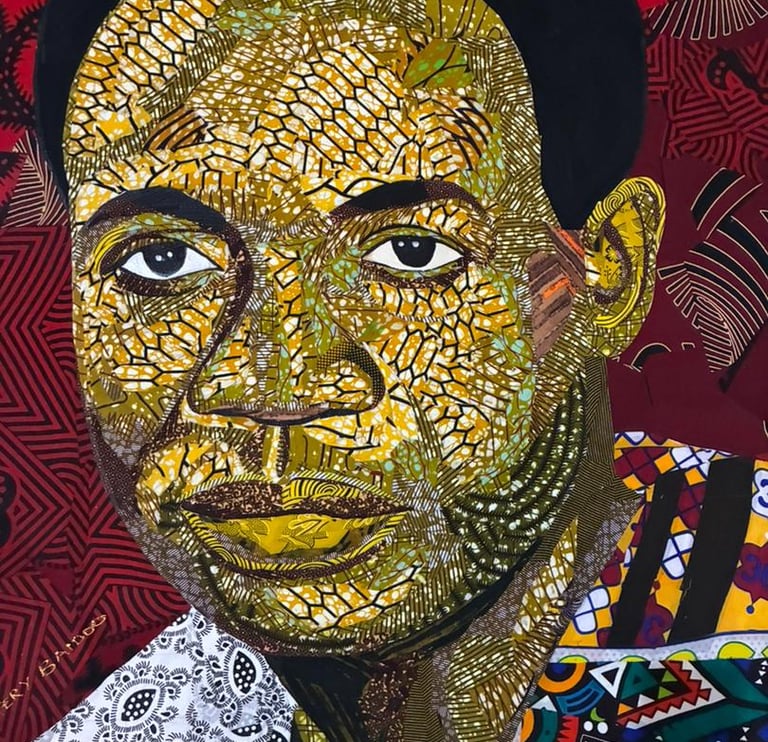
Kwame Nkrumah was a Ghanaian nationalist, revolutionary, and political leader who played a major role in Ghana’s independence from British colonial rule. Born on September 21, 1909, in Nkroful in the Western Region of Ghana, Nkrumah became one of Africa’s most influential leaders and a strong advocate for Pan-Africanism and African unity.
He studied in the United States and later in the United Kingdom, where he became deeply involved in political activism and anti-colonial movements. After returning to the Gold Coast in 1947, he joined the United Gold Coast Convention (UGCC) before later forming his own political party, the Convention People’s Party (CPP), with the slogan “Self-Government Now.”
Through mass mobilization and political campaigns, Nkrumah led the struggle that resulted in Ghana becoming the first sub-Saharan African country to gain independence on March 6, 1957. He became the country’s first Prime Minister and later its first President in 1960.
Nkrumah focused on industrialization, education, infrastructure, and African liberation. He strongly promoted the idea of a united Africa and supported independence movements across the continent. His vision and leadership made him a major figure in global Black liberation and Pan-African history.
Despite his achievements, his government faced criticism over economic challenges and increasing authoritarian rule. In 1966, while on a trip abroad, he was overthrown in a military coup. He spent the remainder of his life in exile, mainly in Guinea, where he was honored by President Ahmed Sékou Touré.
Kwame Nkrumah died on April 27, 1972, in Bucharest, Romania, while receiving medical treatment. Today, he is remembered as the founding father of Ghana and one of the most important political leaders in African history.