
Carter G Woodson
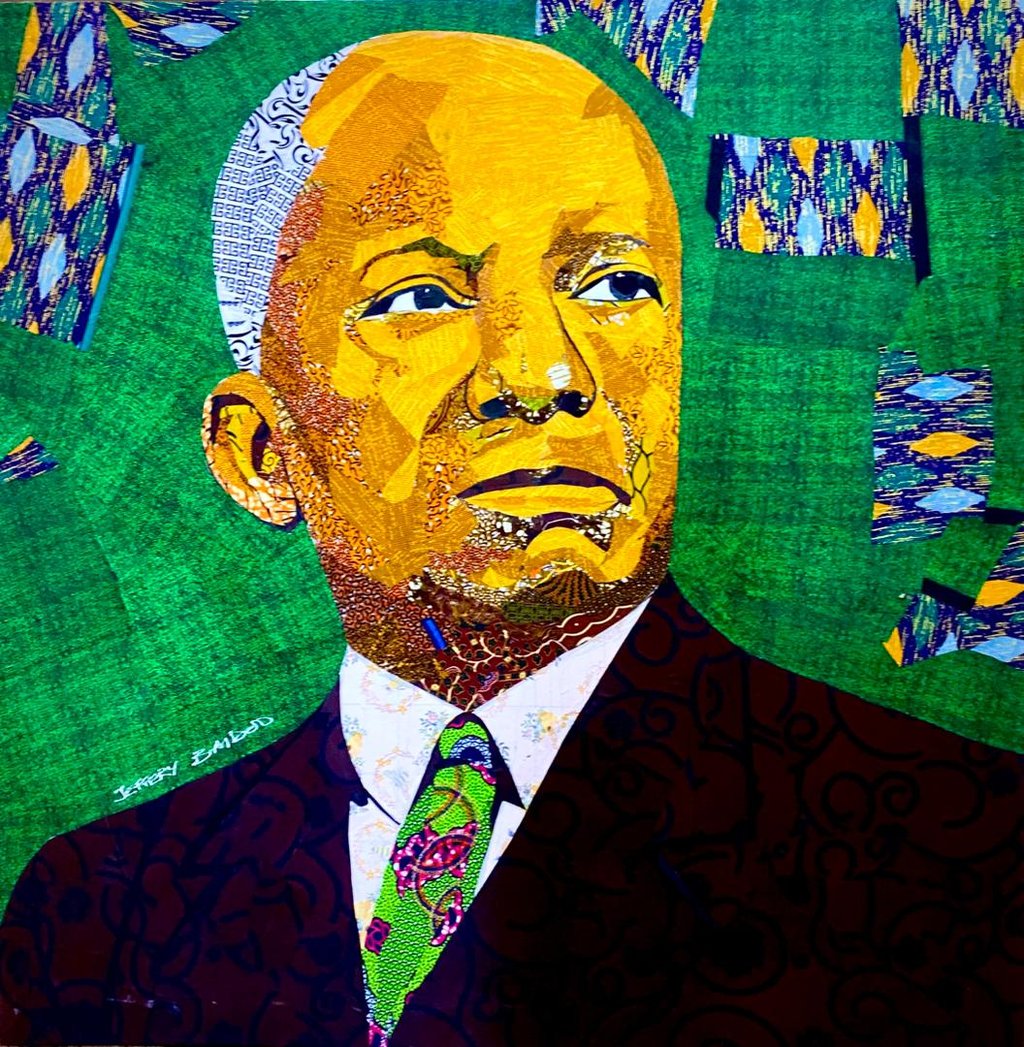
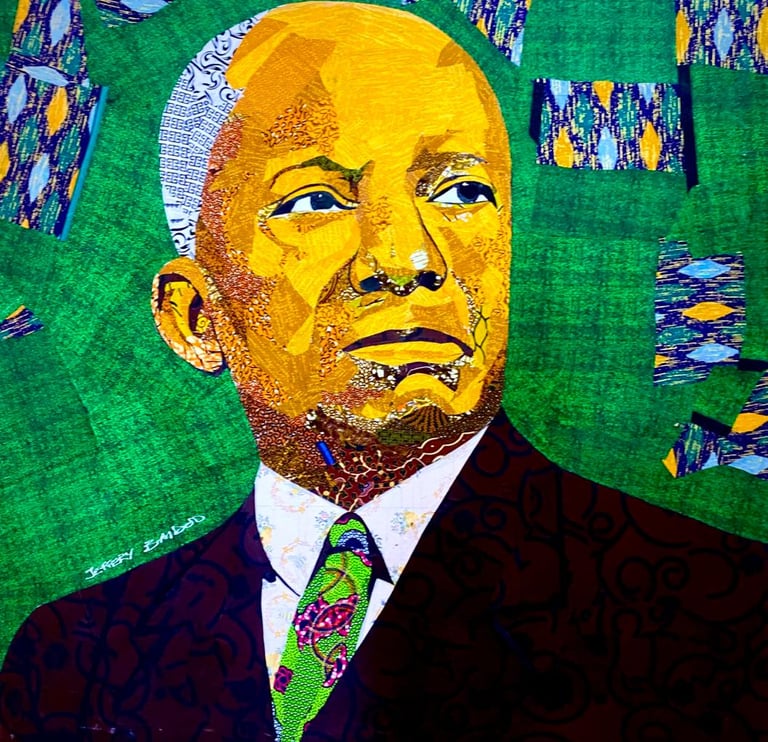
Carter G. Woodson (1875–1950) was an American historian, author, educator, and one of the most important scholars in African American history. He is widely known as the “Father of Black History” because of his pioneering efforts to study, preserve, and promote the history and achievements of Black people.
Born in Virginia to formerly enslaved parents, Woodson grew up in poverty and worked in farms and coal mines during his early years. Despite these hardships, he was deeply committed to education and largely taught himself before eventually attending school formally.
Woodson later earned degrees from Berea College and the University of Chicago before becoming only the second African American to receive a Ph.D. from Harvard University, following W. E. B. Du Bois.
He believed that Black history was being ignored, distorted, or erased from mainstream education. To challenge this, in 1915 he founded the Association for the Study of Negro Life and History, dedicated to researching and documenting Black history and culture.
In 1926, Woodson introduced Negro History Week, which later evolved into Black History Month in the United States and other countries. His goal was to ensure that the contributions of Black people were recognized as an essential part of world history.
Woodson also wrote many influential books, including The Mis-Education of the Negro, where he argued that educational systems often failed Black people by ignoring their history and limiting their understanding of their own potential and identity.
Throughout his life, he promoted education, self-knowledge, and cultural pride, believing that understanding history was essential for liberation and progress.
Carter G. Woodson’s legacy is immense. His work transformed the study of African American history and inspired generations of scholars, educators, and activists. Today, Black History Month and much of modern Black historical scholarship exist because of the foundation he created.