
Henry Sylvester Williams
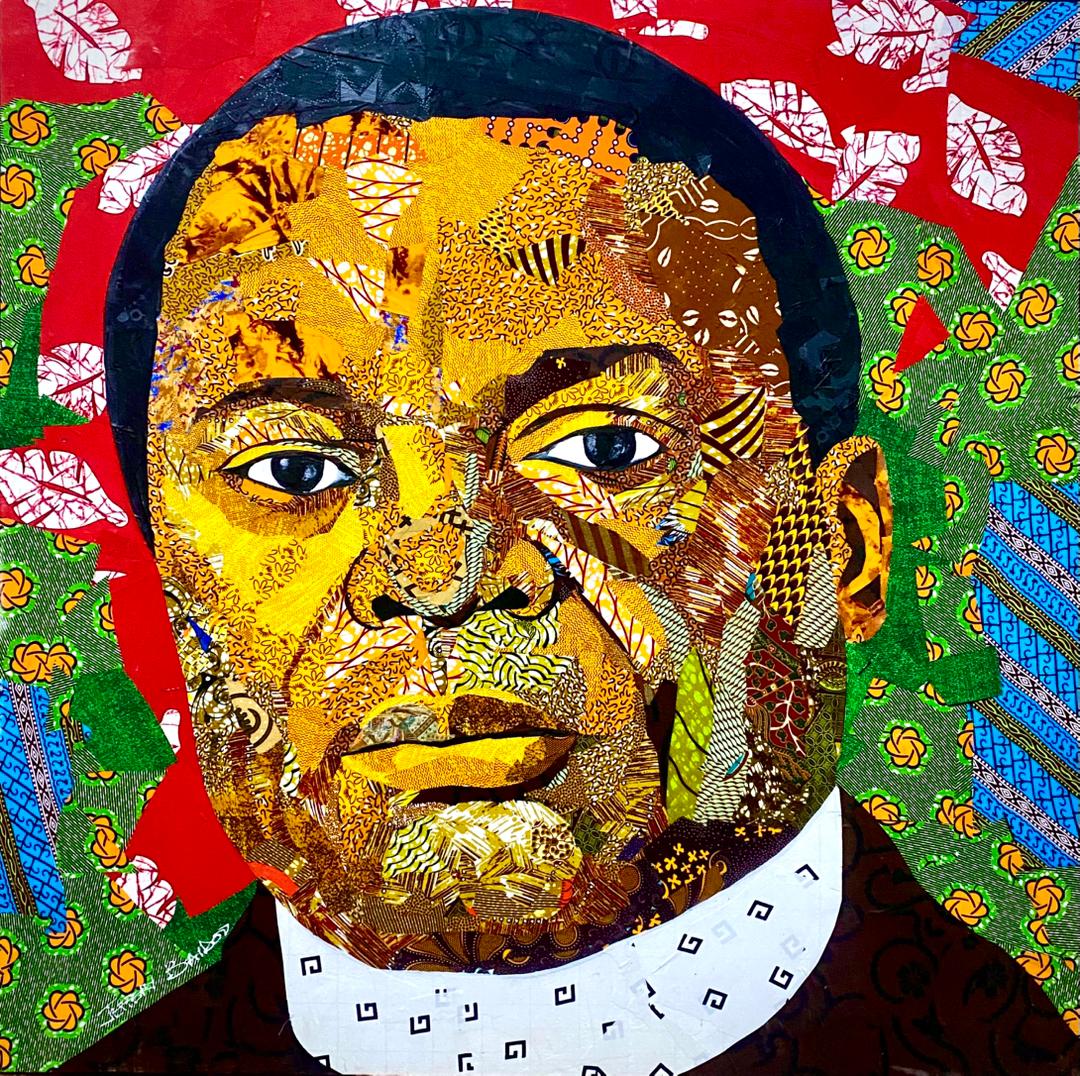
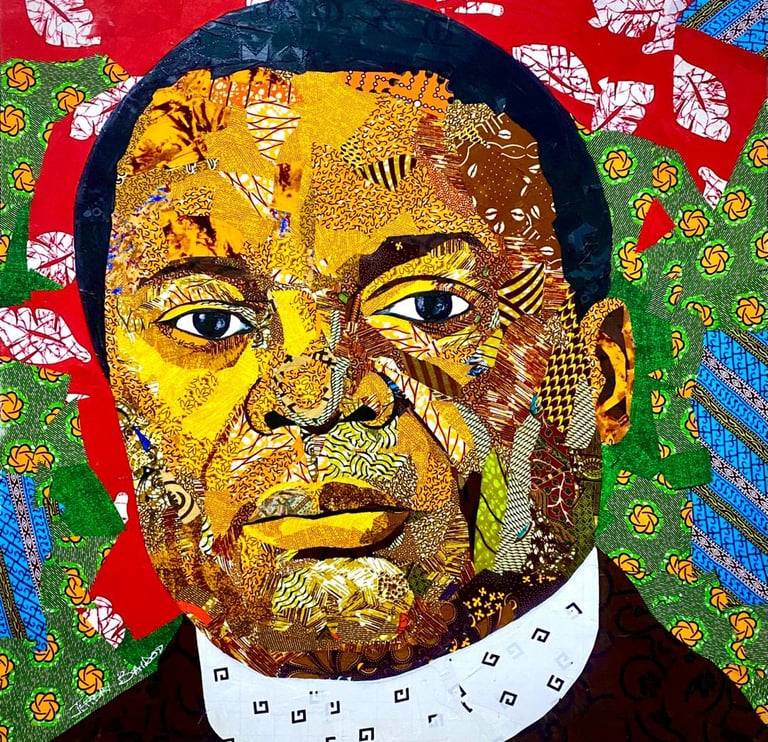
Henry Sylvester Williams (1867–1911) was a Trinidadian lawyer, activist, and one of the founding figures of the Pan-African movement. He is best remembered for organizing the First Pan-African Conference, which brought together people of African descent from across the world to discuss unity, racial equality, and resistance to colonialism.
Born in Trinidad, Williams grew up during a period when people of African descent across the Caribbean and Africa faced discrimination, colonial rule, and limited political rights. Determined to pursue education and leadership, he traveled to North America and later to Britain to study law.
While living in London, Williams became deeply concerned about the condition of Black people worldwide. He believed Africans and people of African descent needed international unity to challenge racism, colonial exploitation, and inequality.
In 1897, he founded the African Association, one of the earliest organizations dedicated to uniting Africans and the African diaspora politically and socially.
His most historic achievement came in 1900 when he organized the First Pan-African Conference in London. The conference gathered intellectuals, activists, and leaders from Africa, the Caribbean, the United States, and Europe. It called for equal rights, an end to racial discrimination, and greater political representation for Black people worldwide.
The conference also helped inspire future Pan-African leaders such as W. E. B. Du Bois and later movements for African independence and Black international solidarity.
After practicing law in South Africa and continuing his activism, Williams eventually returned to the Caribbean. Though he died relatively young in 1911, his work laid the foundation for the global Pan-African movement that would influence African liberation struggles throughout the 20th century.
Henry Sylvester Williams is remembered as a visionary leader who understood the importance of global Black unity long before it became a widespread movement. His legacy continues to shape discussions about Pan-Africanism, identity, and international solidarity among people of African descent.