
Empress Taytu Betul
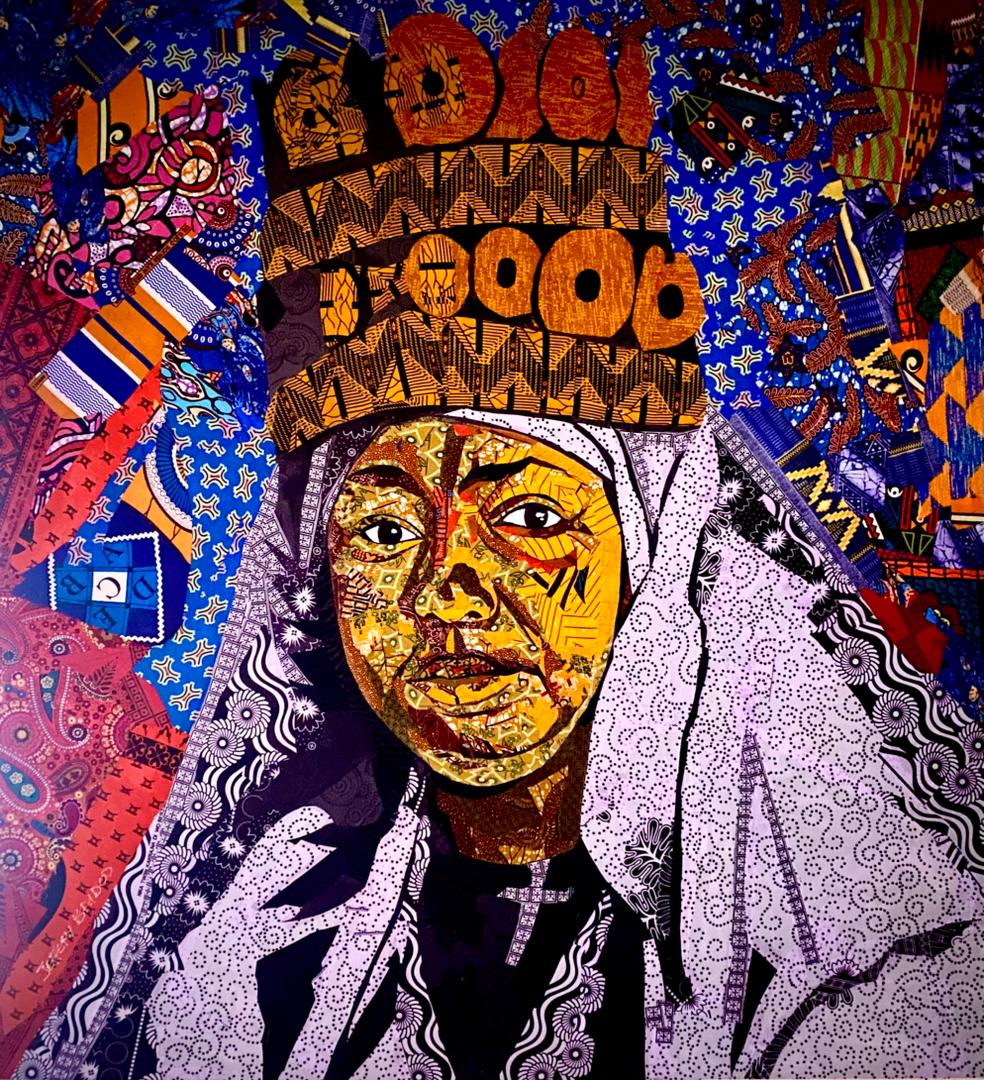
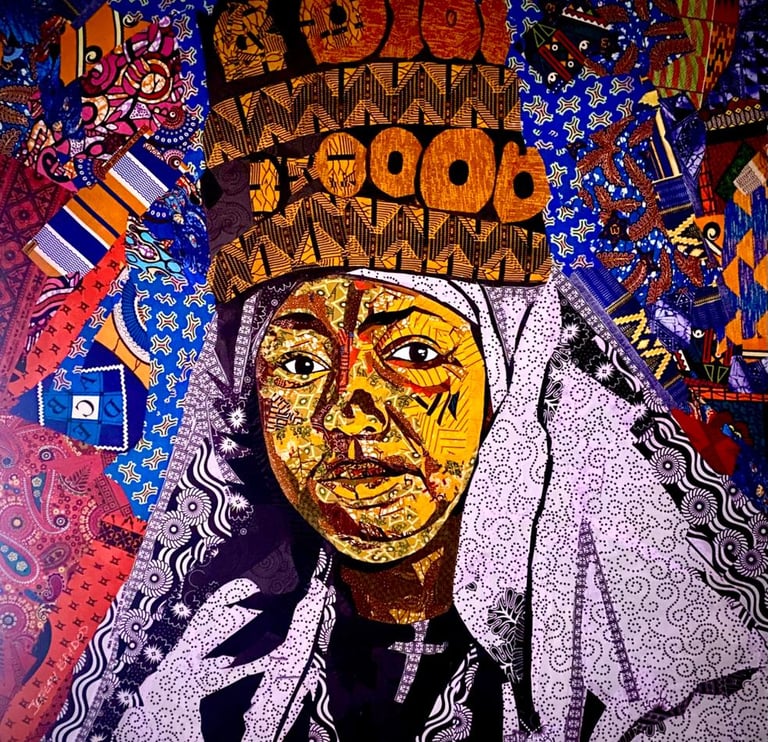
Empress Taytu Betul (c. 1851–1918) was the Empress of Ethiopia and one of the most influential women in African history. She is remembered for her intelligence, political influence, diplomatic skill, and major role in defending Ethiopia against European colonization.
Born into an aristocratic Ethiopian family, Taytu received an education that was uncommon for many women of her time. She became known for her strong personality, sharp political understanding, and deep commitment to Ethiopian independence and Orthodox Christianity.
She married Menelik II, who later became Emperor of Ethiopia. As empress, Taytu was far more than a ceremonial figure—she actively participated in political decision-making and advised the emperor on national affairs.
One of her most important contributions came during the First Italo-Ethiopian War. Taytu strongly opposed Italian colonial ambitions and rejected treaties that threatened Ethiopia’s sovereignty. She played a major role in mobilizing support against the Italian invasion.
During the historic Battle of Adwa, Taytu helped organize military support and logistics, including medical care and supply coordination for Ethiopian troops. The Ethiopian victory at Adwa became one of the most significant anti-colonial victories in African history and preserved Ethiopia’s independence during the Scramble for Africa.
Taytu was also instrumental in the development of Addis Ababa, helping establish it as Ethiopia’s capital city. Her political influence remained strong for many years, though some nobles later viewed her growing power with concern.
After Menelik II’s health declined, political struggles within the empire reduced her influence, and she eventually withdrew from public power.
Empress Taytu Betul’s legacy is one of strength, patriotism, and leadership. She is celebrated as a symbol of resistance against colonialism and as one of Africa’s most powerful female political figures. Her courage and determination helped preserve Ethiopia’s independence and inspired generations across Africa.