
Mohamed Ali
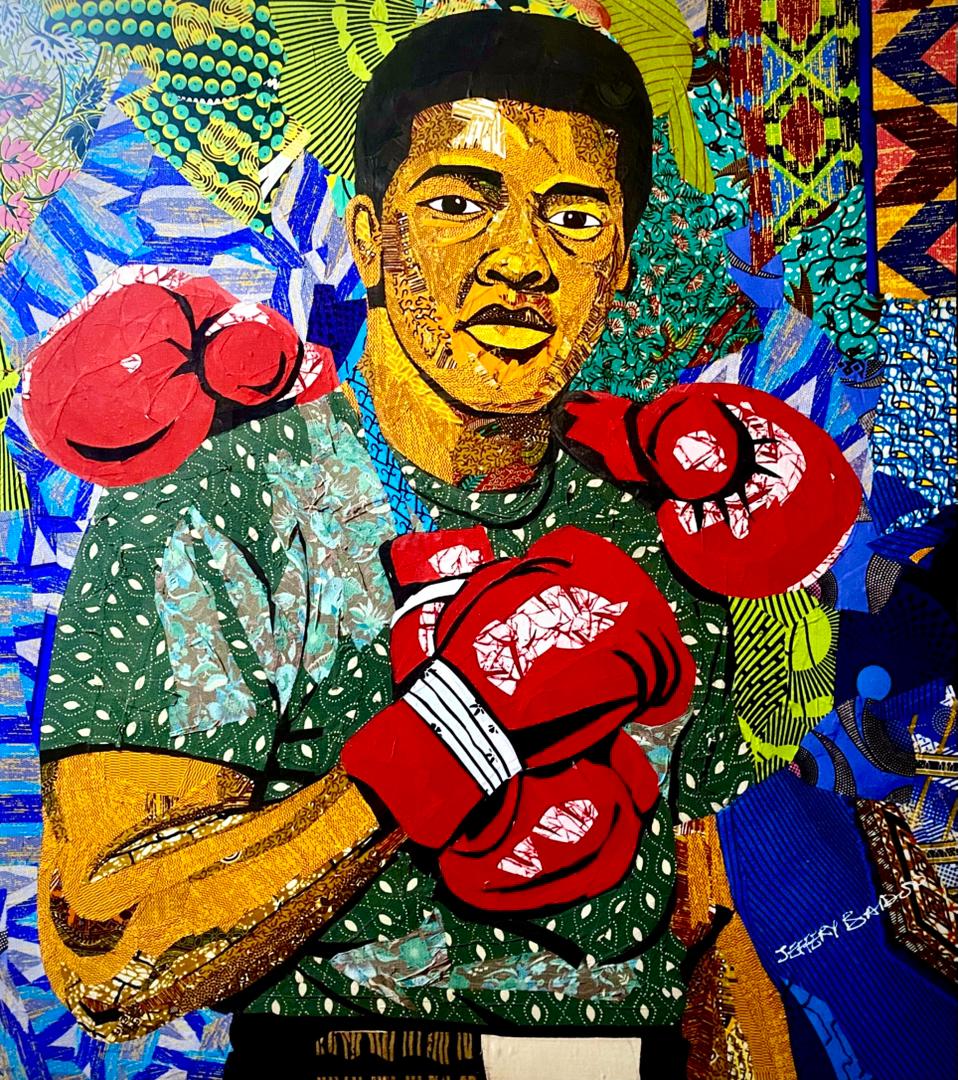
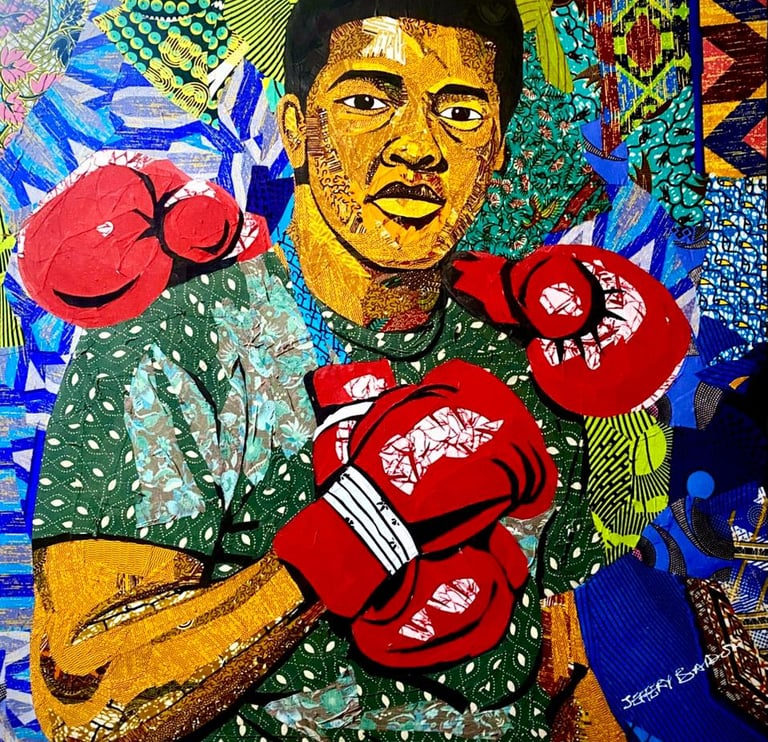
Muhammad Ali (1942–2016), born Cassius Marcellus Clay Jr., was an American professional boxer, Olympic gold medalist, activist, and global cultural icon widely regarded as one of the greatest athletes of all time.
He was born in Louisville, Kentucky, and began boxing at age 12 after his bicycle was stolen. A police officer introduced him to boxing, and he quickly showed exceptional talent, combining speed, footwork, and confidence that set him apart.
As an amateur, Ali won a gold medal in the light heavyweight division at the 1960 Summer Olympics. Shortly after turning professional, he rose rapidly through the heavyweight ranks, gaining attention for his unique style and bold personality.
One of his most famous early victories came in 1964 when he defeated Sonny Liston to become heavyweight champion of the world. After this win, he announced his conversion to Islam and changed his name to Muhammad Ali, marking a major turning point in his life and identity.
Ali became known not only for boxing but also for his outspoken personality, quick wit, and powerful statements such as “I am the greatest.” He also took strong public stands on race, religion, and the Vietnam War.
In 1967, during the Vietnam War, Ali refused military service, stating his religious beliefs and opposition to the war. As a result, he was stripped of his boxing title, banned from the sport, and faced legal consequences. Despite this, he remained firm in his stance, becoming a global symbol of resistance and conscience.
Ali returned to boxing in 1970 after his conviction was overturned. He went on to compete in some of the most legendary fights in history, including the “Fight of the Century” against Joe Frazier and the “Rumble in the Jungle” against George Foreman in 1974, where he regained the heavyweight title using his famous “rope-a-dope” strategy.
Outside the ring, Ali was a strong advocate for civil rights, humanitarian causes, and global peace. He used his fame to speak against racism, poverty, and injustice around the world.
In the later years of his life, Ali was diagnosed with Parkinson’s disease, likely linked to the physical impact of boxing. Despite this, he remained active in public life and continued to inspire millions.
Muhammad Ali’s legacy goes far beyond sport. He is remembered as a champion boxer, a fearless activist, and a cultural icon who stood by his beliefs even at great personal cost. His life represents confidence, resilience, and the power of conviction.