
Malcolm X
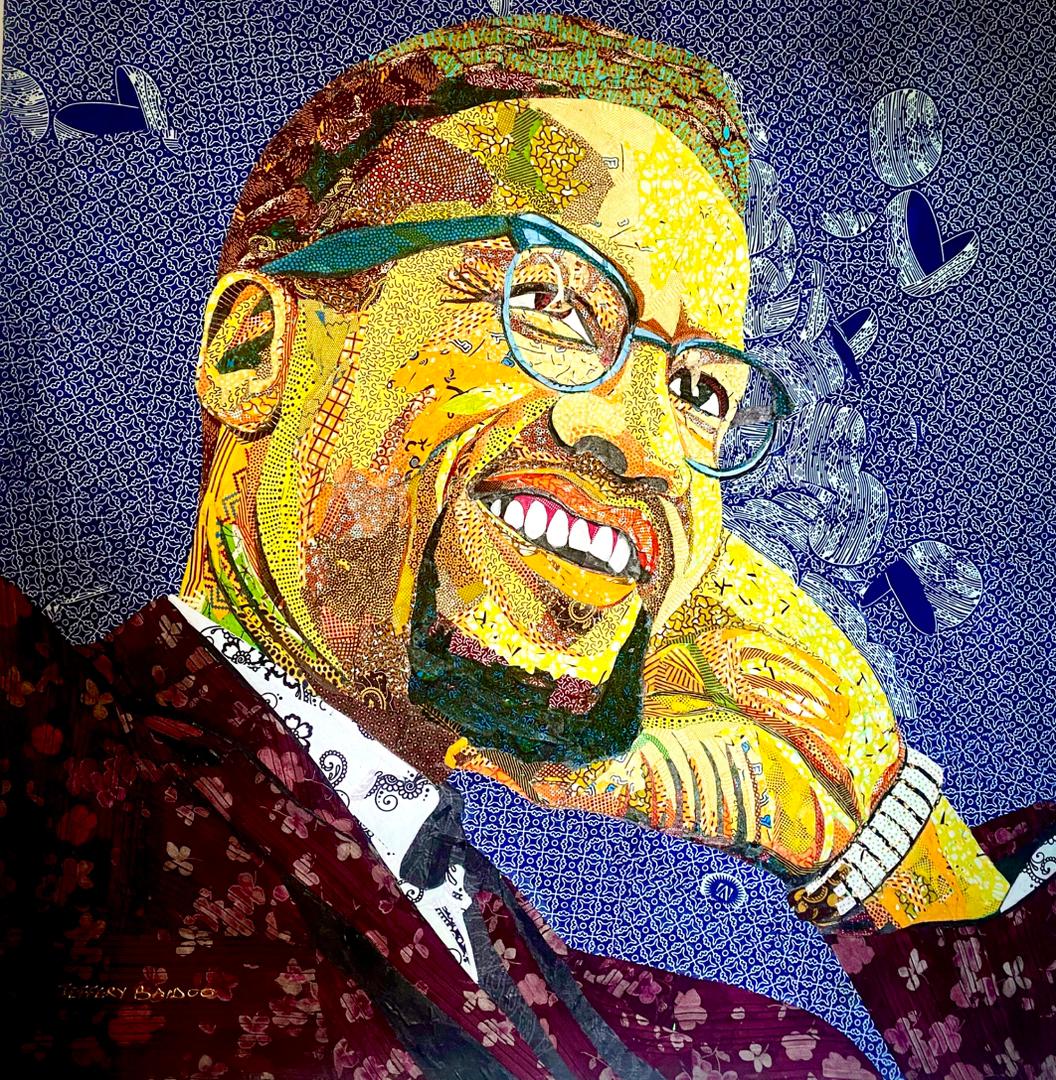
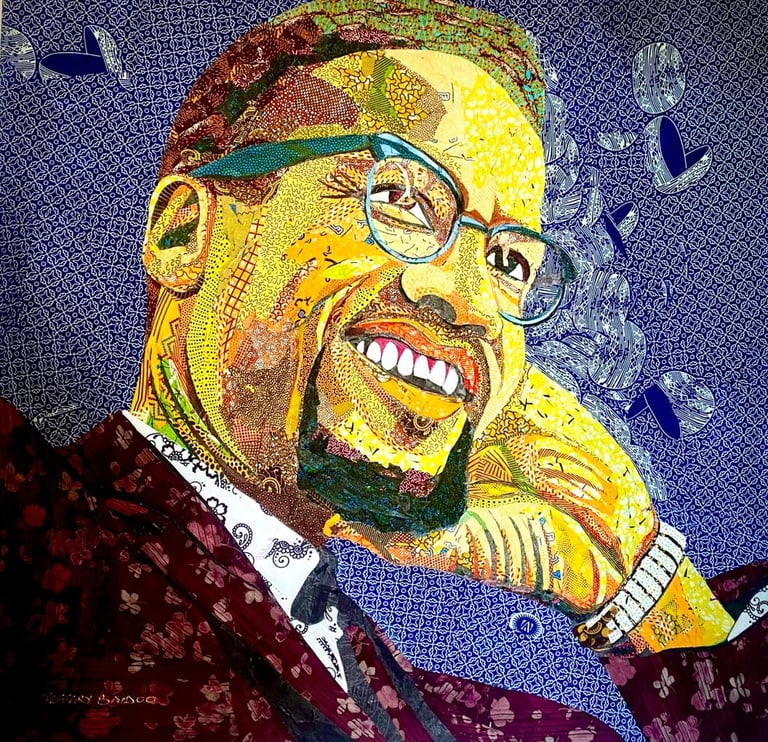
Malcolm X (1925–1965) was an American Muslim minister, human rights activist, and one of the most powerful and influential voices in the struggle for Black liberation in the United States. He is known for his fearless advocacy for Black pride, self-determination, and justice.
Born Malcolm Little in Omaha, Nebraska, he experienced racism early in life, especially after his father died under suspicious circumstances and his family was torn apart. As a young man, he fell into crime and was eventually imprisoned, where his life changed dramatically.
While in prison, Malcolm X discovered the teachings of the Nation of Islam, a movement led by Elijah Muhammad that promoted Black empowerment, discipline, and independence. He educated himself extensively and transformed into a powerful speaker.
After his release in 1952, he adopted the name “Malcolm X,” with the “X” symbolizing the lost African surname erased by slavery. He quickly became one of the Nation of Islam’s most prominent leaders, advocating for Black pride, economic independence, and resistance to racism.
During the 1950s and early 1960s, Malcolm X gained national attention for his bold speeches, which challenged systemic racism and criticized the idea of peaceful acceptance of oppression. His message resonated strongly with many Black Americans who felt frustrated by slow progress in civil rights.
However, in 1964, Malcolm X left the Nation of Islam after disagreements with its leadership. He made a pilgrimage to Mecca, where he experienced people of different races worshipping together. This experience broadened his perspective and led him to embrace a more global view of human rights.
After returning, he founded the Organization of Afro-American Unity, focusing on international human rights and racial justice rather than race alone. His views evolved, but he remained firm in his belief in self-defense and justice for oppressed people.
On February 21, 1965, Malcolm X was assassinated while speaking in New York City. His death came at the age of 39, but his influence only grew after his passing.
Malcolm X’s legacy is one of transformation, courage, and intellectual growth. He is remembered as a voice for dignity, resistance, and Black empowerment, whose ideas continue to shape discussions on race, identity, and justice around the world.