Harriet Tubman
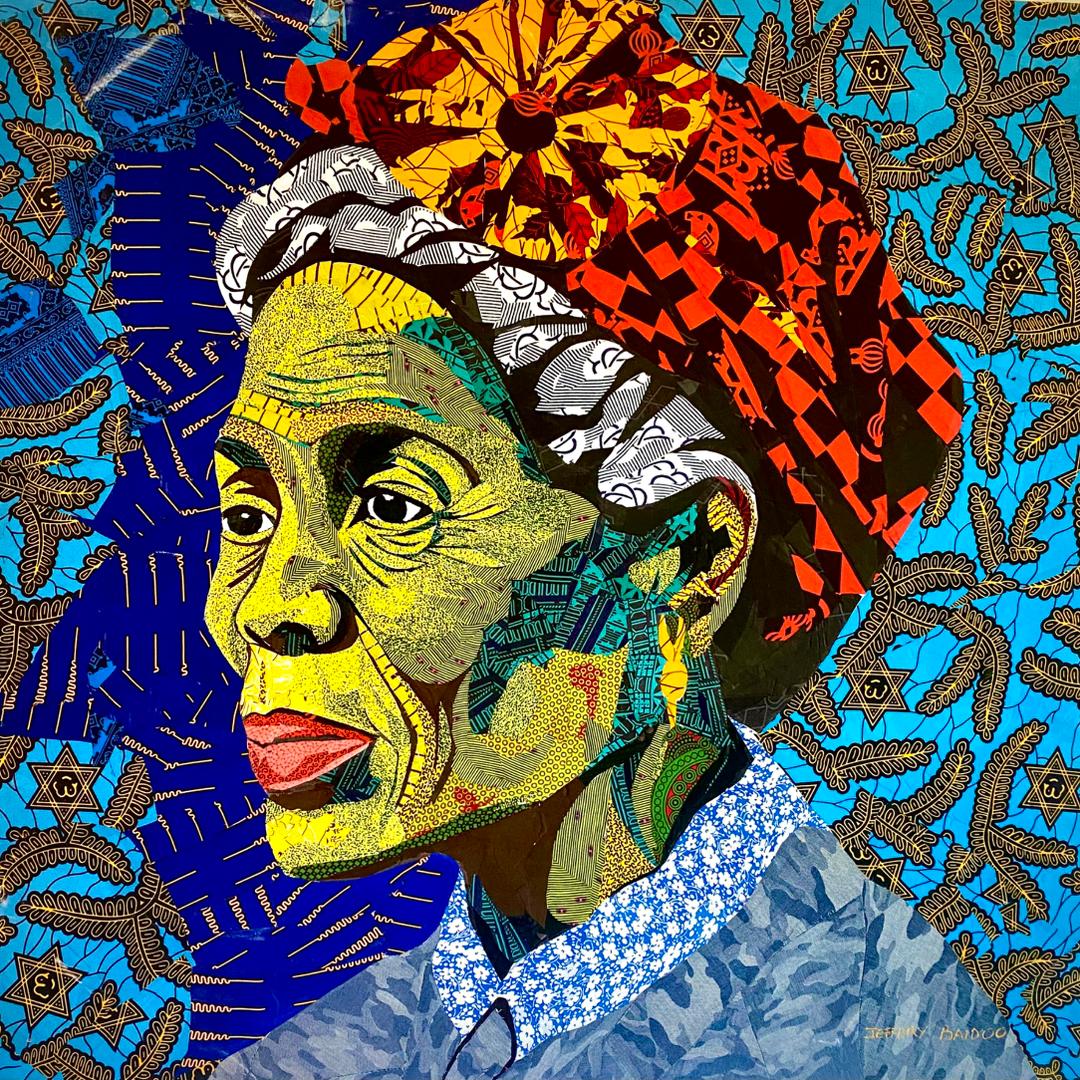
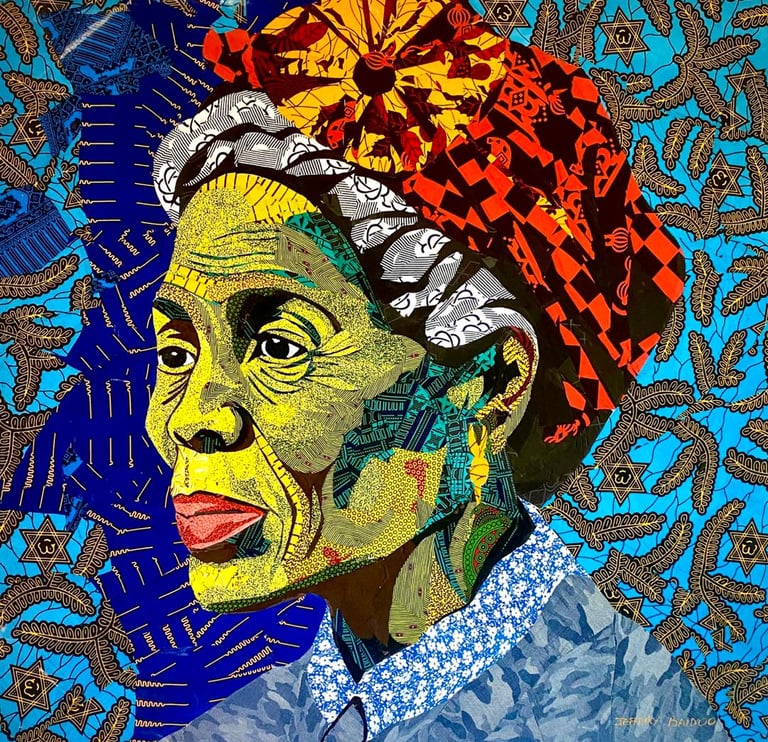
Harriet Tubman (c. 1822–1913) was an American abolitionist, humanitarian, and one of the most famous “conductors” of the Underground Railroad—a secret system that helped enslaved African Americans escape to freedom.
Born into slavery in Maryland, Tubman endured brutal conditions and suffered a serious head injury as a child, which caused lifelong pain and visions. Despite this, she developed extraordinary courage and resilience.
In 1849, she escaped slavery and reached freedom in the North. But instead of staying safe, she made a bold decision: she returned again and again to the South to rescue others. Risking her life, she guided enslaved people—family, friends, and strangers—to freedom using secret routes, safe houses, and careful planning.
Tubman became one of the most successful “conductors” of the Underground Railroad, reportedly helping dozens (and possibly more than 70) people escape. She was never captured, earning her the nickname “Moses” for leading her people to freedom.
During the American Civil War, she worked for the Union Army as a nurse, scout, spy, and guide. She even helped plan and lead military raids, including the Combahee River Raid, which freed over 700 enslaved people.
After the war, Tubman continued her activism, fighting for women’s suffrage alongside leaders like Susan B. Anthony. She also worked to support elderly and poor African Americans.
Despite her extraordinary service, she struggled financially for much of her life. She eventually received recognition later in life, becoming a symbol of courage and freedom.
Harriet Tubman’s legacy is one of unmatched bravery, sacrifice, and determination. She turned personal escape into collective liberation and remains one of the greatest freedom fighters in history.