
George Washington Carver
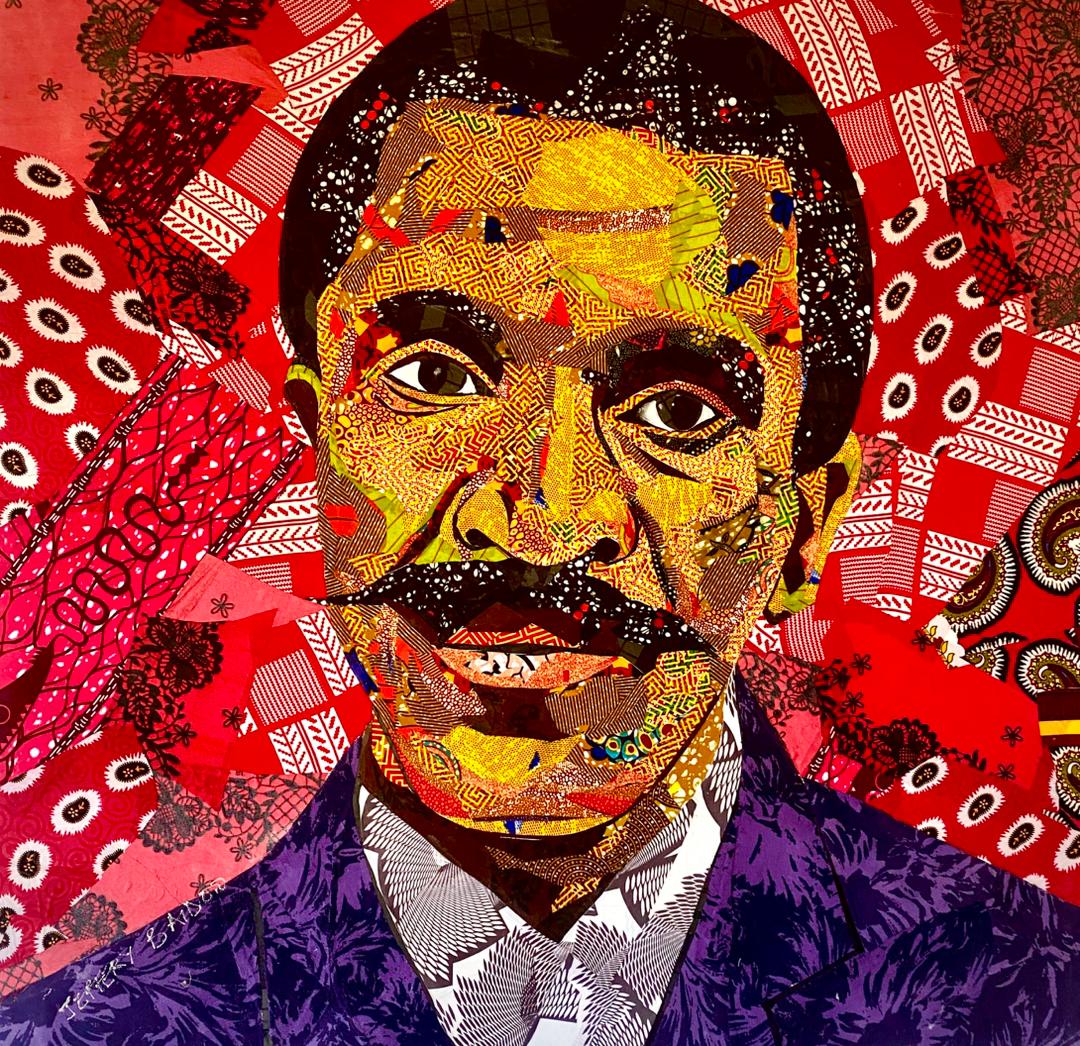
George Washington Carver (c. 1864–1943) was an American agricultural scientist, educator, and inventor who became one of the most respected Black scientists in history. He is best known for his work helping farmers improve soil and crop production in the southern United States.
Early Life
Carver was born into slavery in Missouri near the end of the American Civil War. As a child, he developed a strong interest in plants and nature and became known for his ability to heal sick plants.
Despite facing racial discrimination, he pursued education and eventually studied agriculture and science.
Tuskegee Institute
Carver became a professor at Tuskegee Institute, where he worked closely with Booker T. Washington.
He taught farmers methods to improve exhausted soil by rotating crops instead of planting cotton continuously.
Scientific Contributions
Carver promoted crops like:
Peanuts
Sweet potatoes
Soybeans
He developed many practical uses for these crops, including dyes, soaps, oils, paints, and food products. Although people often say he “invented peanut butter,” peanut butter already existed before his work. His real contribution was discovering and promoting many industrial and agricultural uses for peanuts.
Legacy
George Washington Carver became a symbol of:
Innovation through science
Agricultural sustainability
Education and self-improvement
Black excellence in science and research
Today, he is remembered as a pioneering scientist whose work helped thousands of farmers and inspired future generations in agriculture and technology.