
Emperor Menelik II
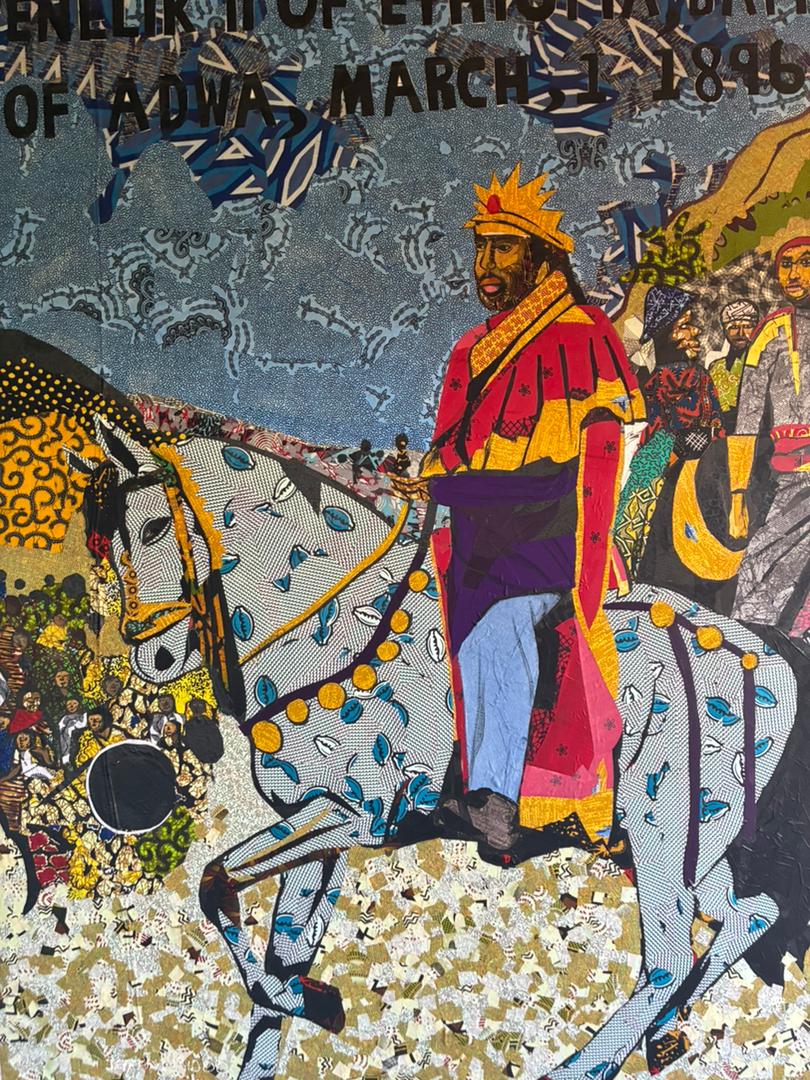
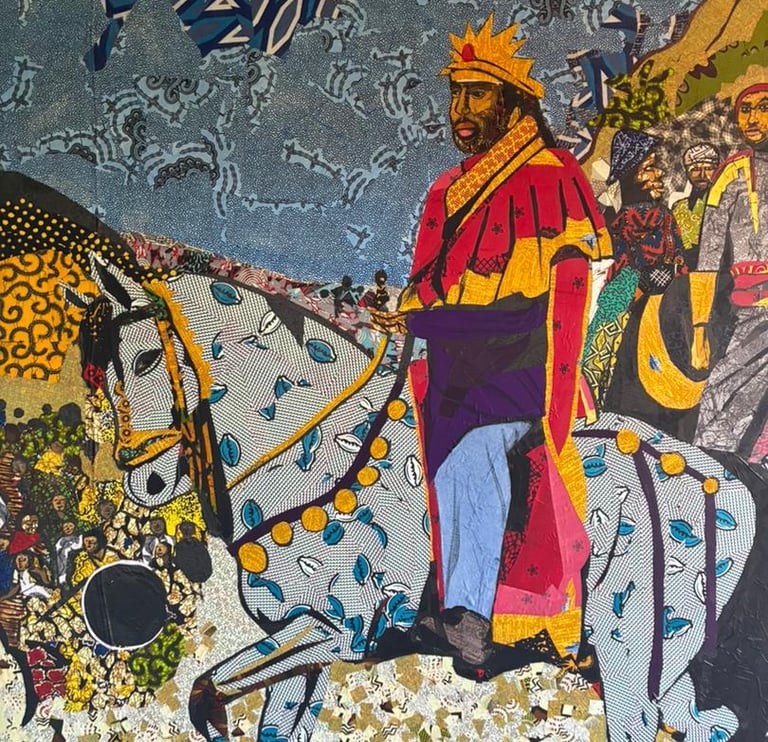
Emperor Menelik II was the Emperor of Ethiopia from 1889 to 1913 and one of the most important figures in African history for his leadership in defending Ethiopian independence during the era of European colonization.
Born on August 17, 1844, in Ankober, Shewa (modern-day Ethiopia), Menelik was a member of the Solomonic dynasty. He rose to power as King of Shewa before becoming Emperor of Ethiopia after the death of Emperor Yohannes IV. Once crowned emperor, he worked to unify Ethiopia’s regions and strengthen the central government.
Menelik II is best known for leading Ethiopia to a decisive victory against Italian forces at the Battle of Adwa in 1896. This battle is one of the most significant in African history because it marked the first major defeat of a European colonial army by an African state during the Scramble for Africa. The victory preserved Ethiopia’s independence at a time when much of Africa was being colonized.
During his reign, Menelik expanded Ethiopia’s territory, modernized parts of the country, and introduced reforms in infrastructure, administration, and communications, including the introduction of telegraph lines and modern roads. He also established Addis Ababa as the capital city in 1886, which remains Ethiopia’s capital today.
Although celebrated for his resistance to colonialism and modernization efforts, his rule also involved military expansion and the incorporation of various regions into the Ethiopian Empire, which remains a subject of historical debate.
Emperor Menelik II is widely remembered as a national hero in Ethiopia and a symbol of African resistance, sovereignty, and leadership during a critical period in world history.