
Winnie Mandela
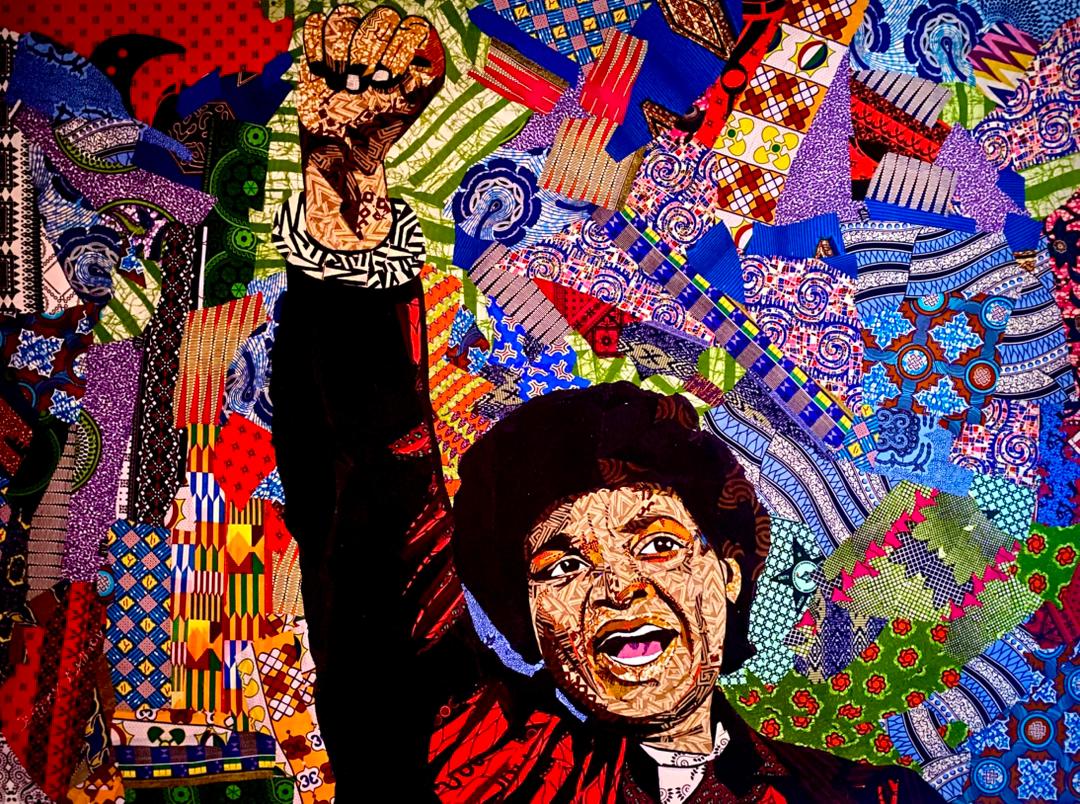
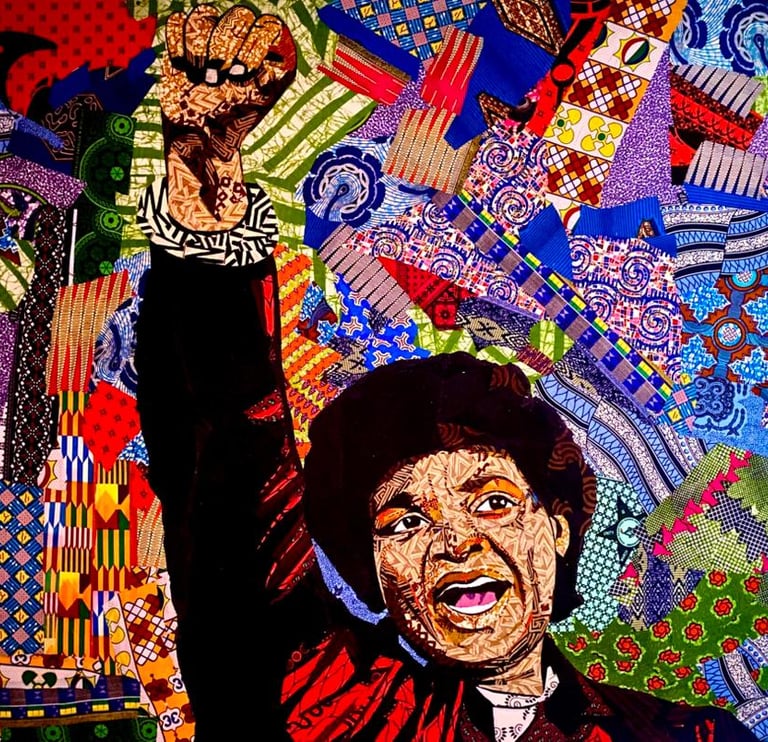
Winnie Mandela (1936–2018), born Nomzamo Winifred Madikizela, was a South African anti-apartheid activist, politician, and one of the most recognized figures in the struggle against racial oppression in South Africa.
Born in the Eastern Cape, South Africa, Winnie grew up during the rise of the apartheid system, a system of institutionalized racial segregation and discrimination imposed by the white minority government. She studied social work and became one of the first Black female medical social workers in South Africa.
In 1958, she married Nelson Mandela, who would later become the global symbol of the anti-apartheid struggle. Soon after, Nelson Mandela was arrested and eventually imprisoned for 27 years, leaving Winnie to face intense government harassment and political pressure on her own.
During apartheid, Winnie Mandela became a major public face of resistance. While her husband was imprisoned, she continued organizing, speaking out against apartheid, and supporting political activists despite repeated arrests, surveillance, and periods of banishment imposed by the South African government.
She became known internationally as the “Mother of the Nation” for her resilience and commitment to the struggle for Black liberation in South Africa.
However, her political life was also marked by controversy. In the late 1980s and early 1990s, allegations of violence and abuses involving individuals connected to her security group, the Mandela United Football Club, damaged her public reputation. These issues remain debated and controversial in South African history.
After the end of apartheid and Nelson Mandela’s release from prison in 1990, Winnie continued her political career and served in government and parliament. Although she and Nelson Mandela later divorced, she remained an influential political figure.
Winnie Mandela’s legacy is complex but historically significant. She is remembered as a fearless fighter against apartheid who endured persecution, imprisonment, and isolation while continuing to resist racial injustice. For many, she symbolizes strength, sacrifice, and uncompromising resistance during one of Africa’s most difficult political eras.