
Emperor Haile Selassie
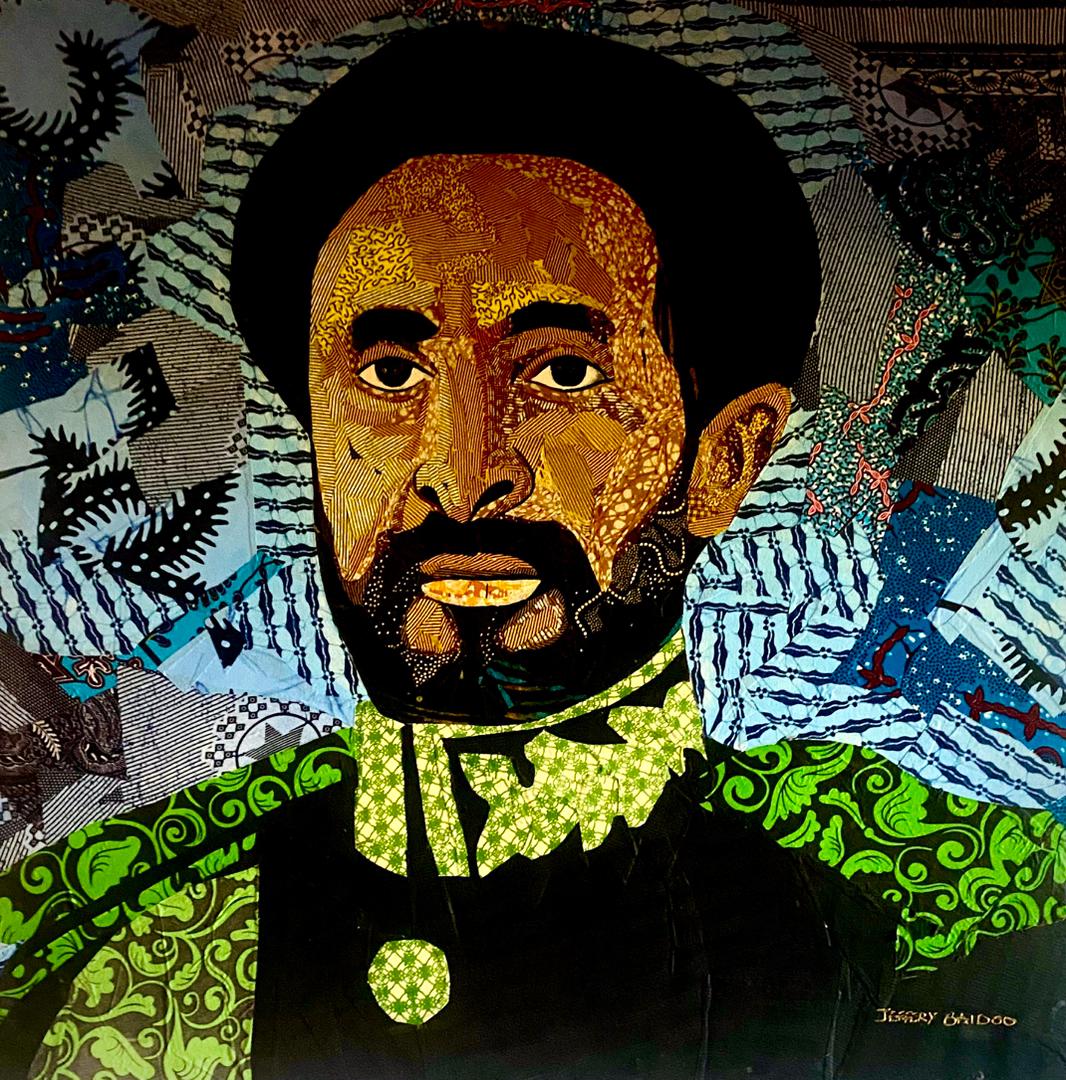
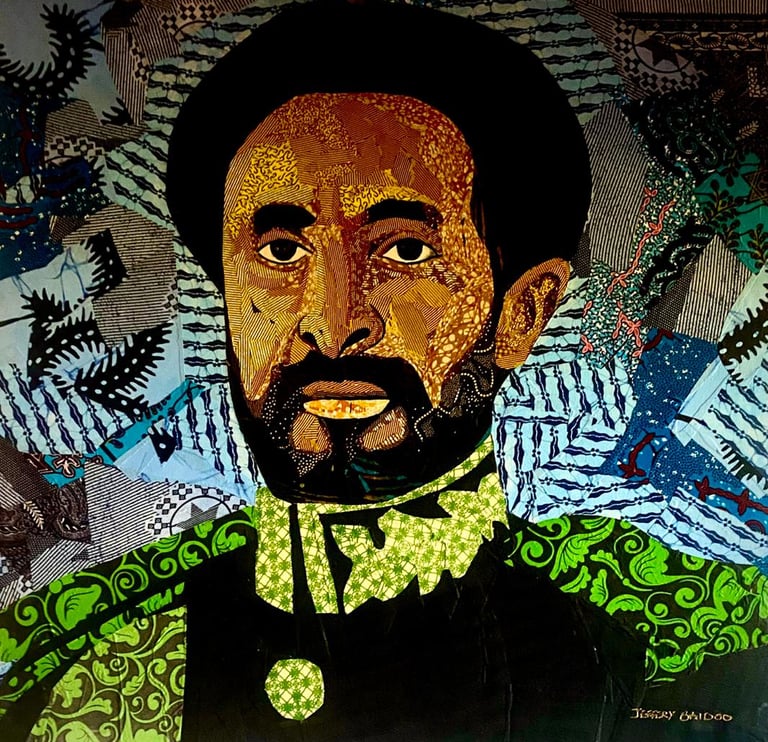
Emperor Haile Selassie I was the Emperor of Ethiopia from 1930 to 1974 and one of the most influential African leaders of the 20th century. Born on July 23, 1892, in Ejersa Goro, Ethiopia, as Tafari Makonnen, he rose through the ranks of Ethiopian nobility before being crowned Emperor.
Haile Selassie is best known for modernizing Ethiopia. He introduced reforms in education, government administration, infrastructure, and the military. He worked to centralize and strengthen the Ethiopian state while promoting Ethiopia’s image as an independent African nation during a time when much of the continent was under European colonial rule.
In 1936, after Italy invaded Ethiopia, Haile Selassie went into exile and famously addressed the League of Nations, warning the world about the dangers of fascism and the failure of collective security. He later returned to Ethiopia in 1941 after British-led forces helped defeat the Italian occupation.
He also played a major role in African and global diplomacy. Haile Selassie was a founding member of the United Nations and later the Organization of African Unity (OAU), which aimed to unite African nations and support independence movements across the continent.
Beyond politics, he became a symbolic figure in the Rastafari movement, where he is regarded by some followers as a spiritual icon. His leadership, however, ended in 1974 when he was overthrown by a military junta known as the Derg.
Haile Selassie died on August 27, 1975, but his legacy remains significant in Ethiopian history, African unity, and global politics.