
Marie-Joseph Angélique
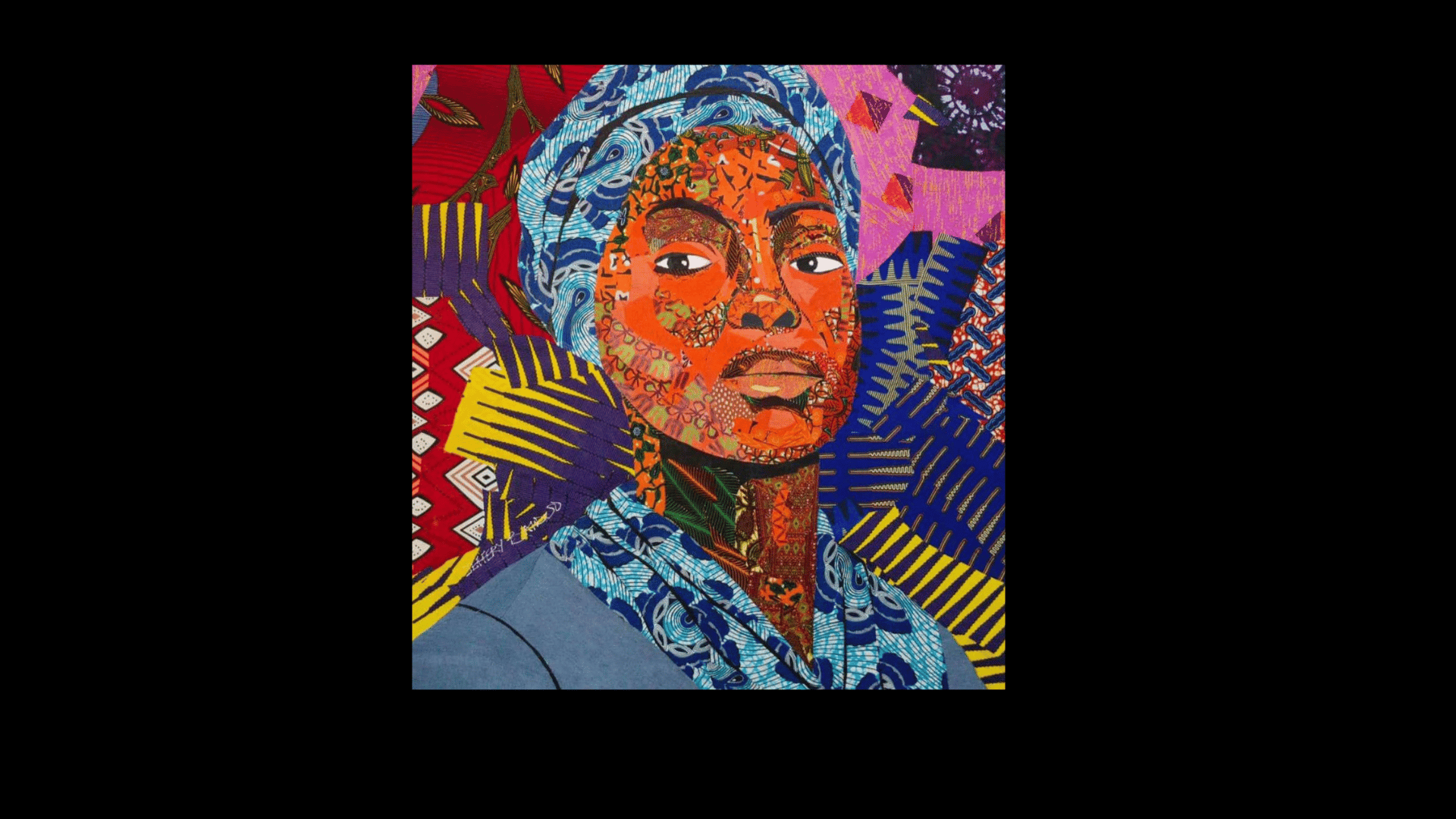
Marie-Joseph Angélique was an enslaved Black woman in 18th-century Canada who became one of the most well-known figures in early Canadian history due to a controversial criminal trial. She was born around 1705, likely in Portugal or the Atlantic world, and was later sold into slavery in what was then New France (modern-day Montreal). Angélique was owned by a wealthy merchant family in Montreal.
In 1734, a massive fire destroyed much of Montreal. Angélique was accused of setting the fire, allegedly as an act of resistance after learning she might be sold and separated from a man she loved. The case quickly became one of the most famous trials in colonial North America. She was arrested, tortured during interrogation (a common practice at the time), and ultimately convicted. On June 21, 1734, she was publicly executed. Before her execution, she was subjected to brutal punishment meant to force a confession.
Historians still debate whether she actually started the fire or was wrongly accused. Today, Angélique is often remembered as:
A symbol of resistance against slavery
A figure highlighting the harsh realities of slavery in Canada
An important part of Black Canadian history
Her story has been re-examined in modern scholarship, especially through works like The Hanging of Angélique by Afua Cooper, which argues that Angélique’s actions should be understood within the context of resistance to oppression.
In short: Marie-Joseph Angélique’s life and death reflect the realities of slavery, injustice, and resistance in early Canada, and her story continues to spark discussion about history, race, and freedom.