Paul Bogle
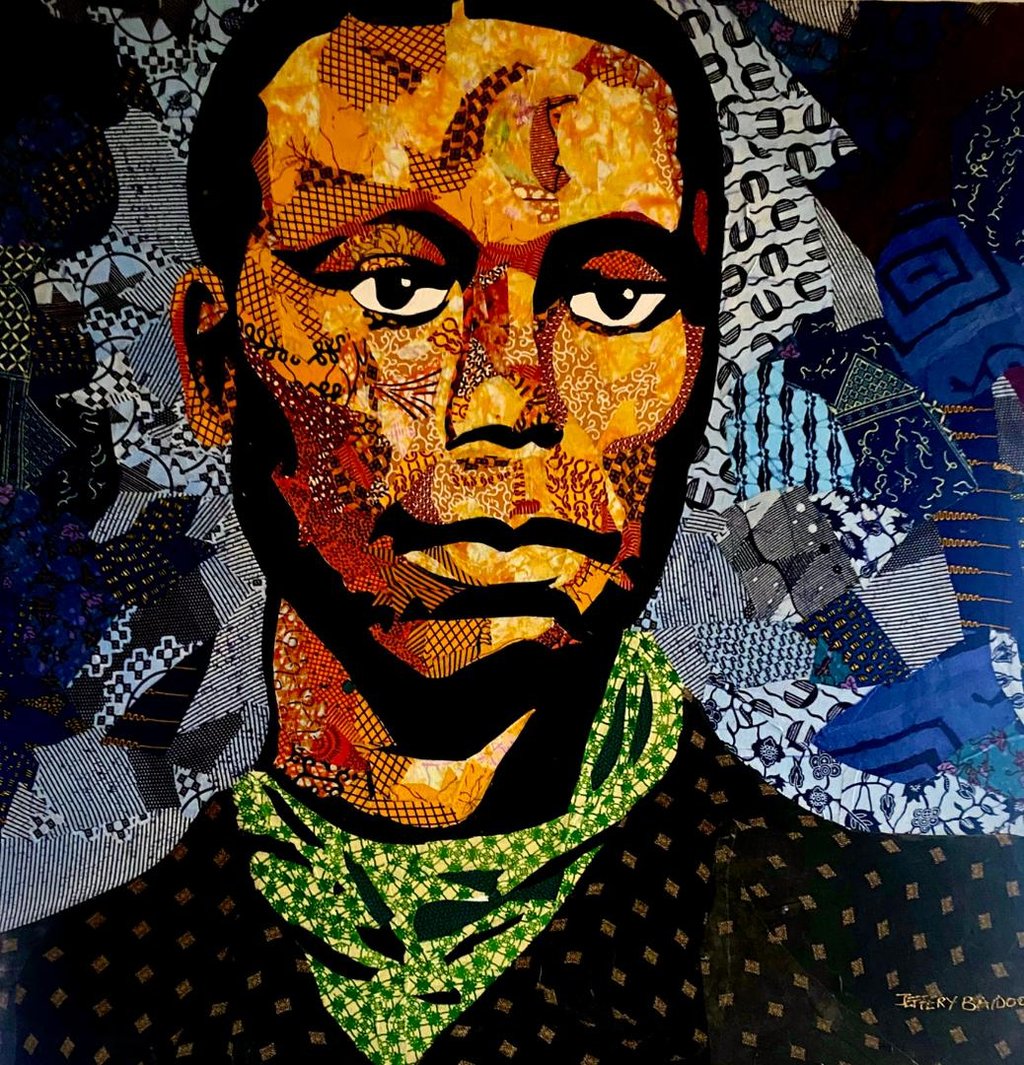
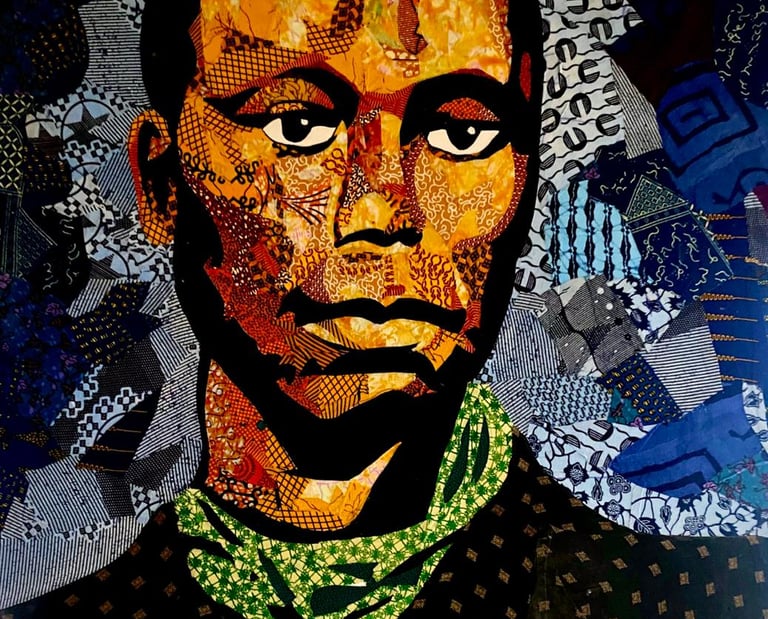
Paul Bogle (1822–1865) was a Jamaican Baptist deacon, activist, and national hero who became a symbol of resistance against injustice and oppression. He is best remembered for leading the Morant Bay Rebellion, one of the most significant uprisings in Caribbean history.
Born in St. Thomas, Jamaica, Bogle grew up during a time when formerly enslaved Black Jamaicans were still suffering under harsh economic conditions, high taxes, and limited political representation even after emancipation. He was a follower of George William Gordon, a fellow advocate for the rights of the poor and oppressed.
As a Baptist deacon, Bogle was a respected community leader who used his position to speak out against injustice. He organized peaceful protests and even led a long march to the Spanish Town capital to present the grievances of his people to the colonial government—but their concerns were ignored.
On October 11, 1865, tensions reached a breaking point, leading to the Morant Bay Rebellion. Protesters clashed with authorities after years of frustration over poverty, unfair laws, and lack of justice. The uprising was quickly suppressed by British troops, and the response was extremely harsh.
Paul Bogle was captured, tried, and executed by hanging on October 24, 1865. Hundreds of others were also killed or punished in the aftermath. His close ally, George William Gordon, was also executed, further intensifying outrage.
Despite his execution, Bogle’s actions sparked major political change. The rebellion forced Britain to re-examine governance in Jamaica and led to reforms aimed at improving conditions for the poor.
Today, Paul Bogle is honored as one of Jamaica’s National Heroes. His legacy represents courage, resistance, and the fight for justice. He stood for the rights of ordinary people and remains a powerful symbol of standing up against oppression, even at great personal cost.