
Nelson Mandela
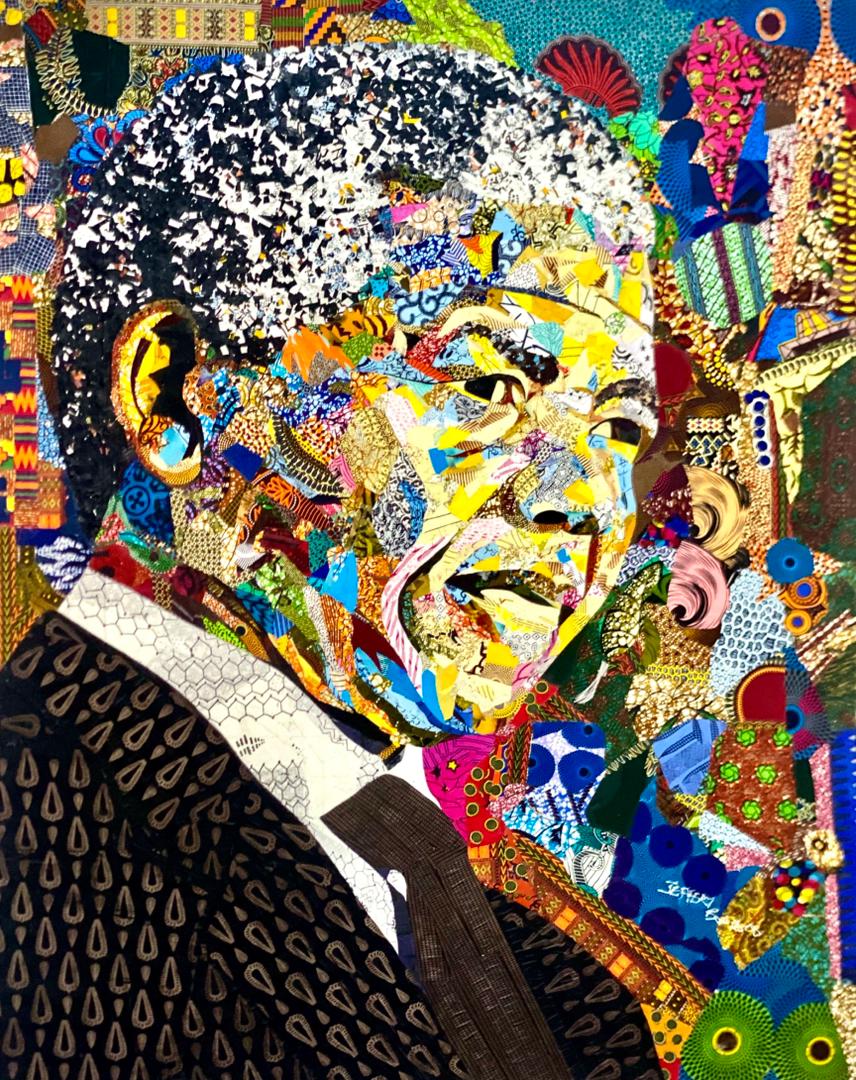
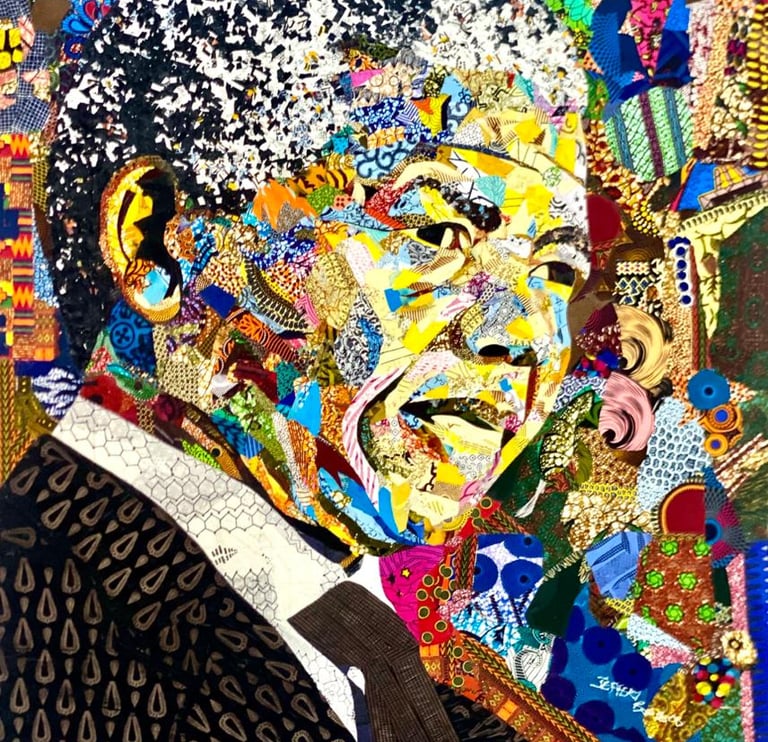
Nelson Mandela (1918–2013) was a South African anti-apartheid revolutionary, political leader, and humanitarian who became the first Black president of South Africa. He is widely regarded as one of the greatest symbols of freedom, reconciliation, and justice in modern history.
Born in the village of Mvezo in South Africa’s Eastern Cape, Mandela was raised within the traditions of the Thembu royal family. He later studied law and became involved in political activism as racial segregation and oppression intensified under the apartheid system.
Mandela joined the African National Congress (ANC), where he worked alongside other activists fighting against apartheid—a system that denied Black South Africans political rights, freedom of movement, quality education, and equal citizenship.
In the 1950s, Mandela became a leading figure in organizing protests, strikes, and campaigns against racial injustice. Initially committed to nonviolent resistance, he later supported armed resistance after peaceful protests were repeatedly met with violence by the government.
In 1962, Mandela was arrested and later sentenced to life imprisonment during the Rivonia Trial. He spent 27 years in prison, much of it on Robben Island, where he became an international symbol of resistance and dignity.
Despite imprisonment, Mandela’s influence grew worldwide. Global movements demanded his release and pushed for sanctions against the apartheid government.
In 1990, Mandela was released from prison after negotiations with the South African government. He then played a crucial role in peacefully ending apartheid and guiding South Africa toward democratic elections.
In 1994, he became South Africa’s first democratically elected Black president. As president, Mandela promoted reconciliation rather than revenge, encouraging unity between racial groups after decades of division and violence.
One of his most important contributions was helping establish the Truth and Reconciliation Commission, aimed at addressing human rights abuses committed during apartheid.
Mandela received numerous global honors, including the Nobel Peace Prize, shared with South African president F.W. de Klerk for their efforts to peacefully end apartheid.
Nelson Mandela’s legacy is one of courage, forgiveness, leadership, and justice. He transformed personal suffering into a movement for national healing and became a global symbol of hope, equality, and human dignity.