Patrice Lumumba
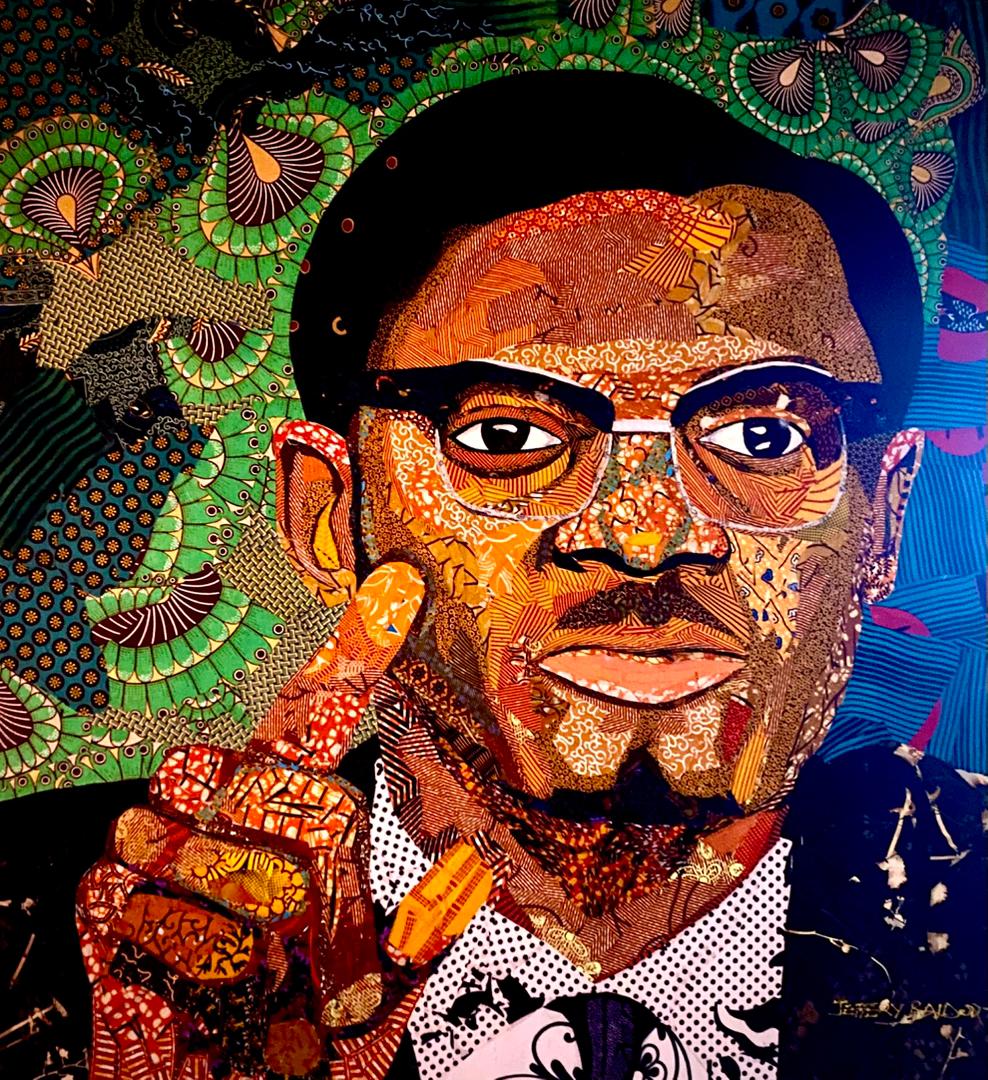
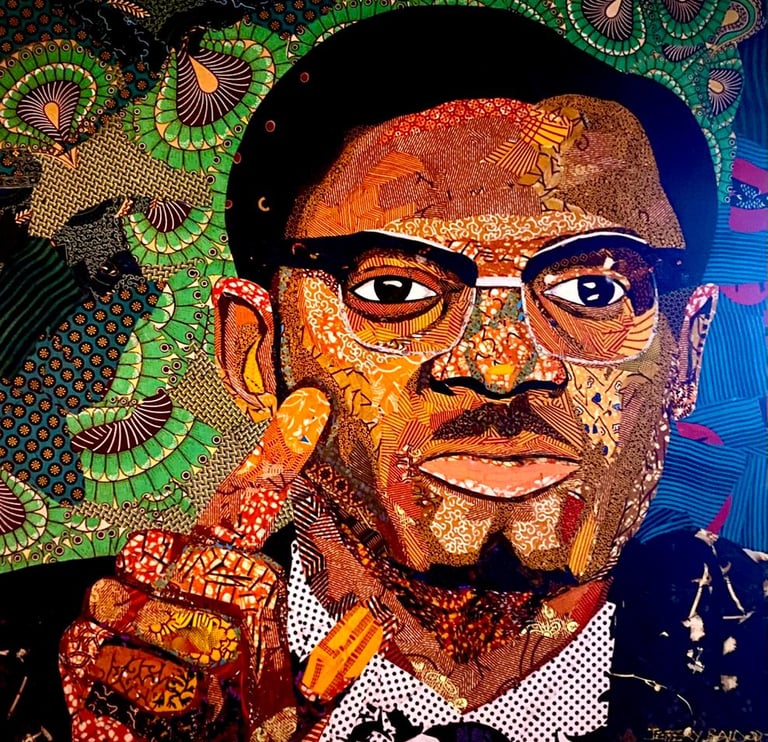
Patrice Lumumba (1925–1961) was a Congolese independence leader and the first Prime Minister of the Democratic Republic of the Congo. He is remembered as a powerful voice against colonial rule and one of Africa’s most important anti-colonial leaders.
Born in the Belgian Congo (now the Democratic Republic of the Congo), Lumumba worked in the postal service and later became involved in journalism and politics. He quickly rose as a leader advocating for national unity and independence from Belgian colonial rule.
In 1960, after years of political pressure and rising nationalist movements, the Congo gained independence from Belgium. Lumumba became the country’s first Prime Minister during this critical transition period.
At the independence ceremony on June 30, 1960, Lumumba delivered a historic speech strongly condemning colonialism and its brutal treatment of Africans. His words shocked many international leaders but deeply inspired African independence movements across the continent.
However, his leadership was quickly challenged. The Congo faced political instability, regional divisions, and foreign interference during the early months of independence. Tensions escalated between Lumumba, President Joseph Kasa-Vubu, and military leader Joseph-Désiré Mobutu.
In September 1960, Lumumba was removed from power and later arrested. In January 1961, he was executed under controversial circumstances involving both Congolese and foreign involvement, an event that remains one of the most debated political assassinations in African history.
Patrice Lumumba’s legacy is that of a symbol of African independence, unity, and resistance to colonial influence. He is remembered across Africa and the world as a martyr for sovereignty and a voice for dignity and self-determination.