
Queen Amina
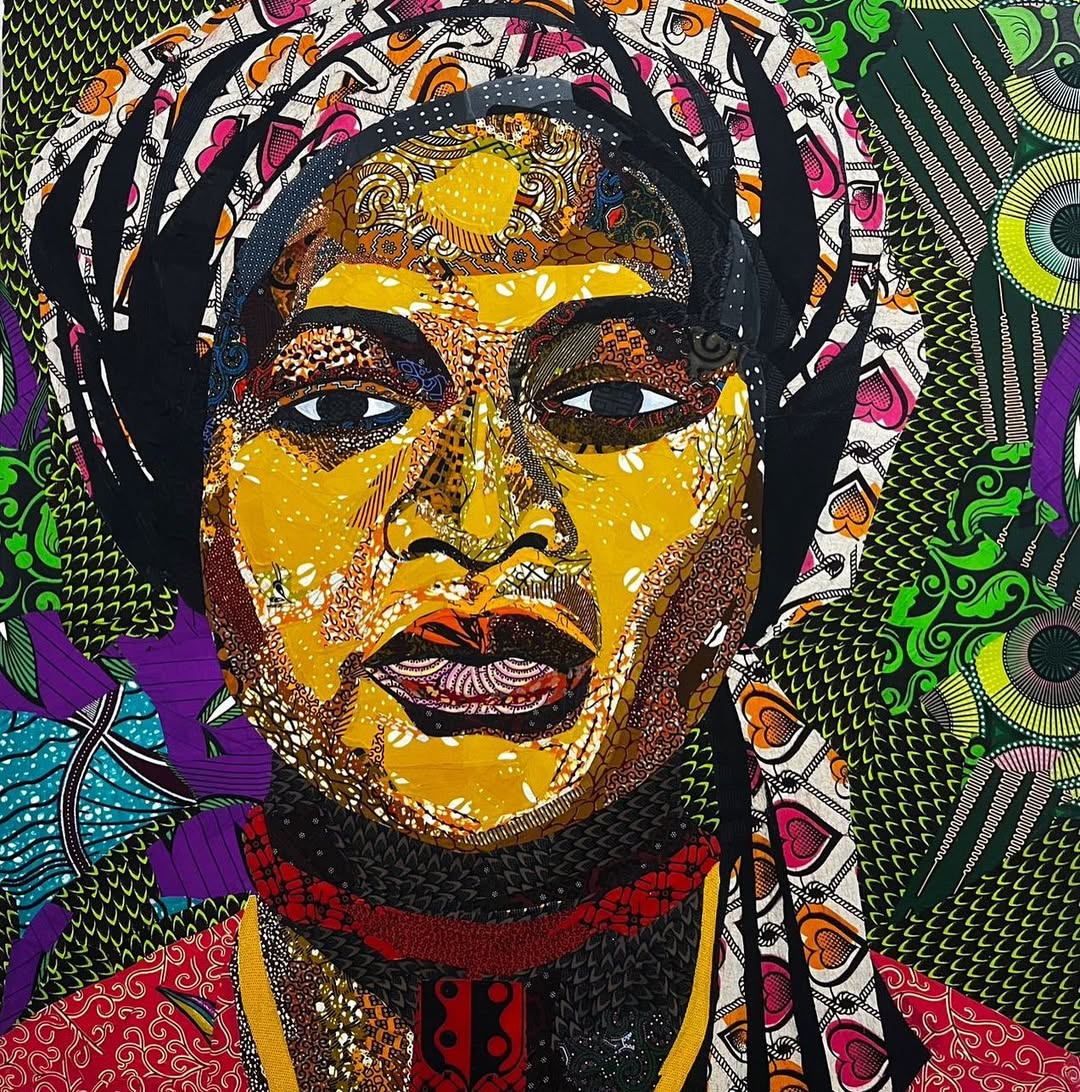
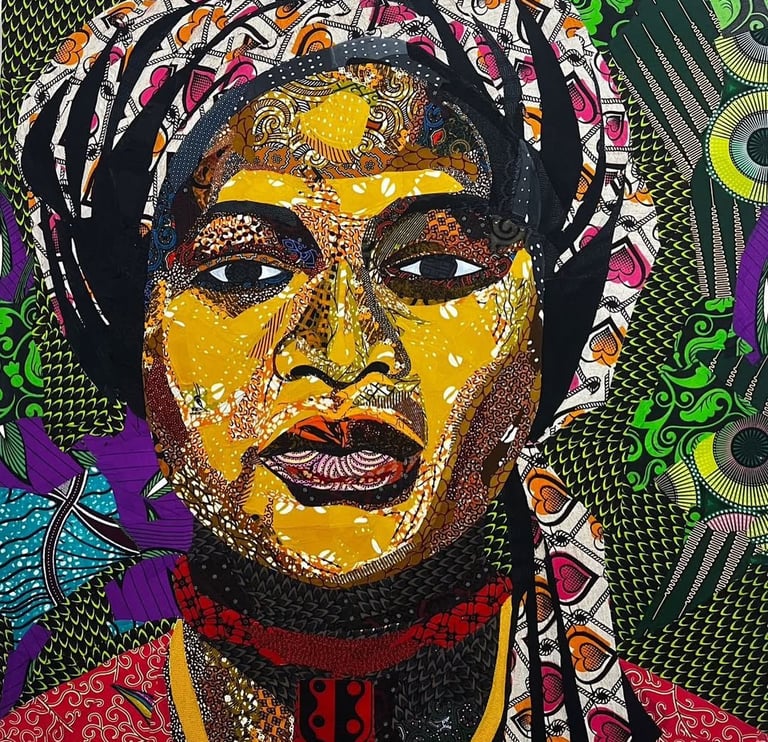
Queen Amina (c. 1533–c. 1610) was a legendary warrior queen and military strategist of the Hausa city-state of Zazzau (modern-day Zaria in northern Nigeria). She is celebrated as one of Africa’s greatest female leaders, known for expanding her kingdom through strength, intelligence, and bold leadership.
Born into the royal family of Zazzau, Amina was the daughter of Queen Bakwa Turunku, a powerful ruler. From a young age, she showed exceptional courage and interest in military affairs, training alongside soldiers and mastering combat and strategy—something rare for women at the time.
After her mother’s death, Amina’s brother ruled as king, and she served as a leading military commander. When he later died, Amina rose to power as queen around 1576. Once in control, she launched a series of military campaigns that greatly expanded Zazzau’s territory across large parts of what is now northern Nigeria.
Queen Amina is said to have led armies of thousands of soldiers, conquering neighboring territories and securing important trade routes. Her military success strengthened Zazzau’s economic power, especially in trade involving goods like leather, cloth, and kola nuts.
One of her most lasting contributions was the construction of defensive walls around cities and military camps, known today as “Amina’s walls.” These structures helped protect her territories and some remnants are still recognized in parts of northern Nigeria.
Beyond warfare, Amina played a key role in boosting trade and political influence, connecting her kingdom with wider trans-Saharan trade networks. Her leadership helped position Zazzau as a major commercial and military power in West Africa.
Queen Amina’s legacy is one of strength, leadership, and breaking barriers. She defied gender expectations and proved that women could lead armies, govern kingdoms, and shape history. Today, she remains a symbol of courage and female empowerment across Africa.