
Thomas Sankara
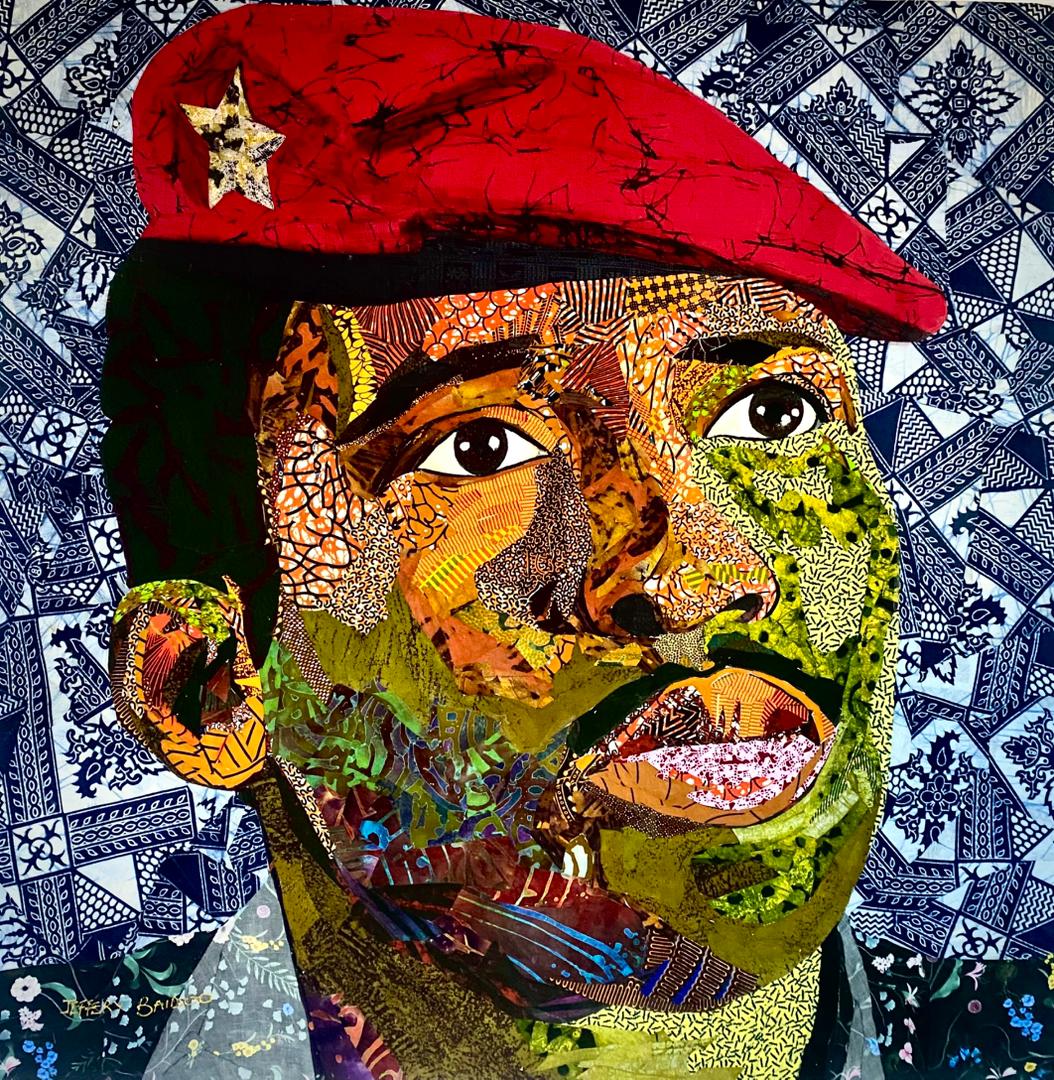
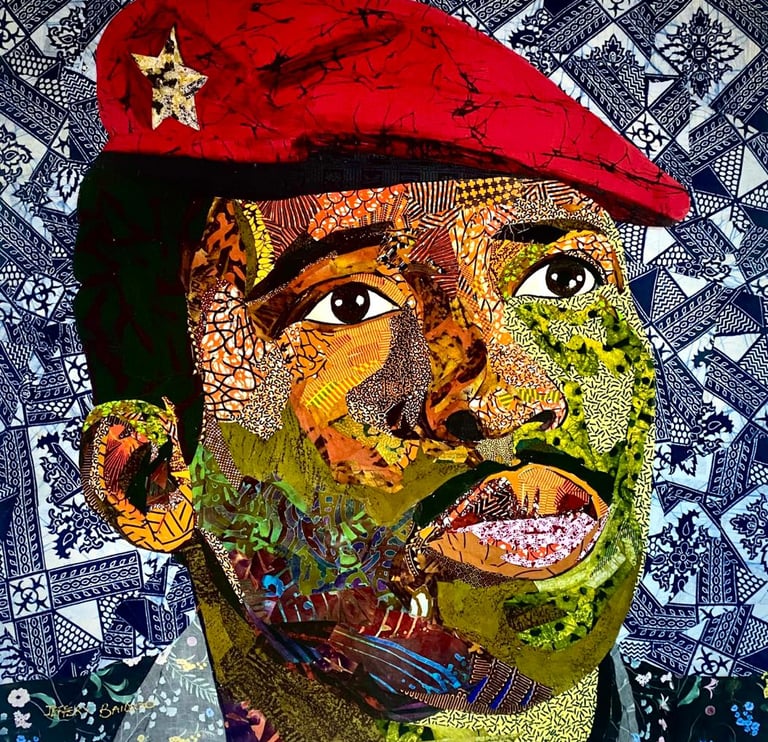
Thomas Sankara (1949–1987) was a Burkinabé revolutionary leader, military captain, and president of Burkina Faso, known for his radical reforms and strong anti-imperialist vision. He is often called the “African Che Guevara” for his revolutionary ideas and commitment to self-reliance and justice.
Born in Upper Volta (now Burkina Faso), Sankara grew up in a modest family and later joined the military, where he developed strong political awareness. He believed that true independence for African nations required not only political freedom but also economic and cultural liberation.
In 1983, at just 33 years old, Sankara came to power through a revolutionary movement and became president. He immediately changed the country’s direction, renaming it Burkina Faso, meaning “Land of Upright People.”
His government introduced bold reforms focused on self-sufficiency, equality, and anti-corruption. He promoted local production, land reform, and reduced dependence on foreign aid, encouraging Africans to rely on their own resources.
Sankara also focused on social progress. His administration launched nationwide vaccination campaigns, improved access to education, and built infrastructure such as housing and roads. He strongly supported women’s rights, banning forced marriage and female genital mutilation, and appointing women to government positions.
He lived modestly, often rejecting luxury and encouraging government officials to do the same. He famously sold off government luxury cars and replaced them with cheaper models like the Renault 5 to reduce public spending.
Despite his popularity among many citizens, his policies and anti-imperialist stance created tension with foreign governments and internal political rivals.
On October 15, 1987, Sankara was assassinated during a coup led by his former ally Blaise Compaoré. His death ended his short but transformative leadership.
Thomas Sankara’s legacy remains powerful across Africa and the world. He is remembered as a symbol of integrity, independence, and revolutionary leadership. His ideas about self-reliance, justice, and anti-corruption continue to inspire political movements and young leaders today.