
Emperor Haile Selassie
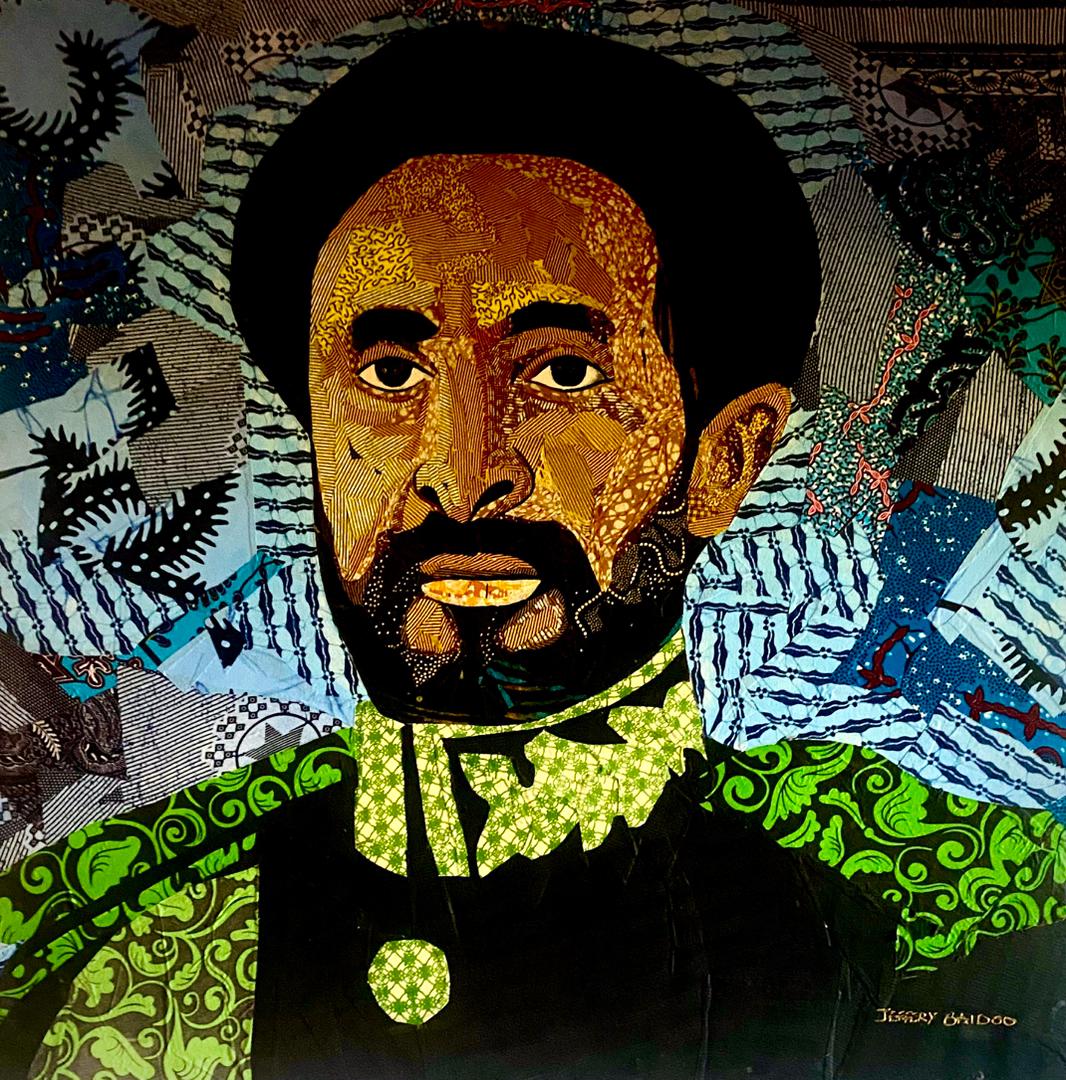
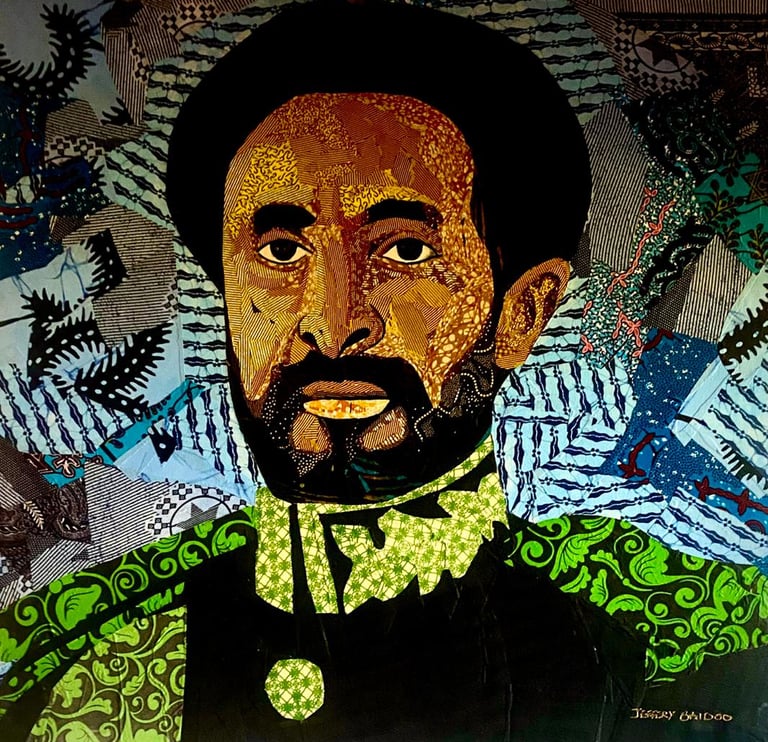
Haile Selassie I (1892–1975) was the Emperor of Ethiopia from 1930 to 1974 and one of the most influential African leaders of the 20th century. He is known for modernizing Ethiopia, resisting colonial aggression, and playing a major role in African and global diplomacy.
Born Tafari Makonnen in the region of Harar, Ethiopia, he came from a noble family and rose through political ranks due to his intelligence and diplomatic skill. In 1930, he was crowned Emperor Haile Selassie I, meaning “Power of the Trinity.”
One of the defining moments of his early reign came during the Second Italo-Ethiopian War, when Italy under Mussolini invaded Ethiopia. Haile Selassie led resistance efforts but was forced into exile in 1936.
While in exile, he delivered a powerful speech at the League of Nations, warning the world about fascist aggression. His appeal became historic, highlighting the failures of international protection systems at the time.
During World War II, British and Ethiopian forces worked together to liberate Ethiopia in 1941, and Haile Selassie returned to reclaim his throne.
As emperor, he focused on modernizing Ethiopia by improving education, infrastructure, and government institutions. He helped establish schools, universities, and efforts toward centralized national governance. He also played a key role in African diplomacy and was a strong supporter of African unity.
In 1963, he was instrumental in the formation of the Organisation of African Unity, which later became the African Union. Ethiopia’s capital, Addis Ababa, became a major center for African diplomacy.
Despite his international influence, his later reign faced criticism for political repression and inequality within Ethiopia, which contributed to growing unrest.
In 1974, a military coup overthrew him, ending his reign. He died in 1975 under disputed circumstances while under house arrest.
Haile Selassie’s legacy is complex. He is remembered as a symbol of African resistance against colonialism, a champion of African unity, and a modernizer of Ethiopia, while also being a controversial ruler in his later years. He remains a major historical figure in African and world history.