
Toussaint Louverture
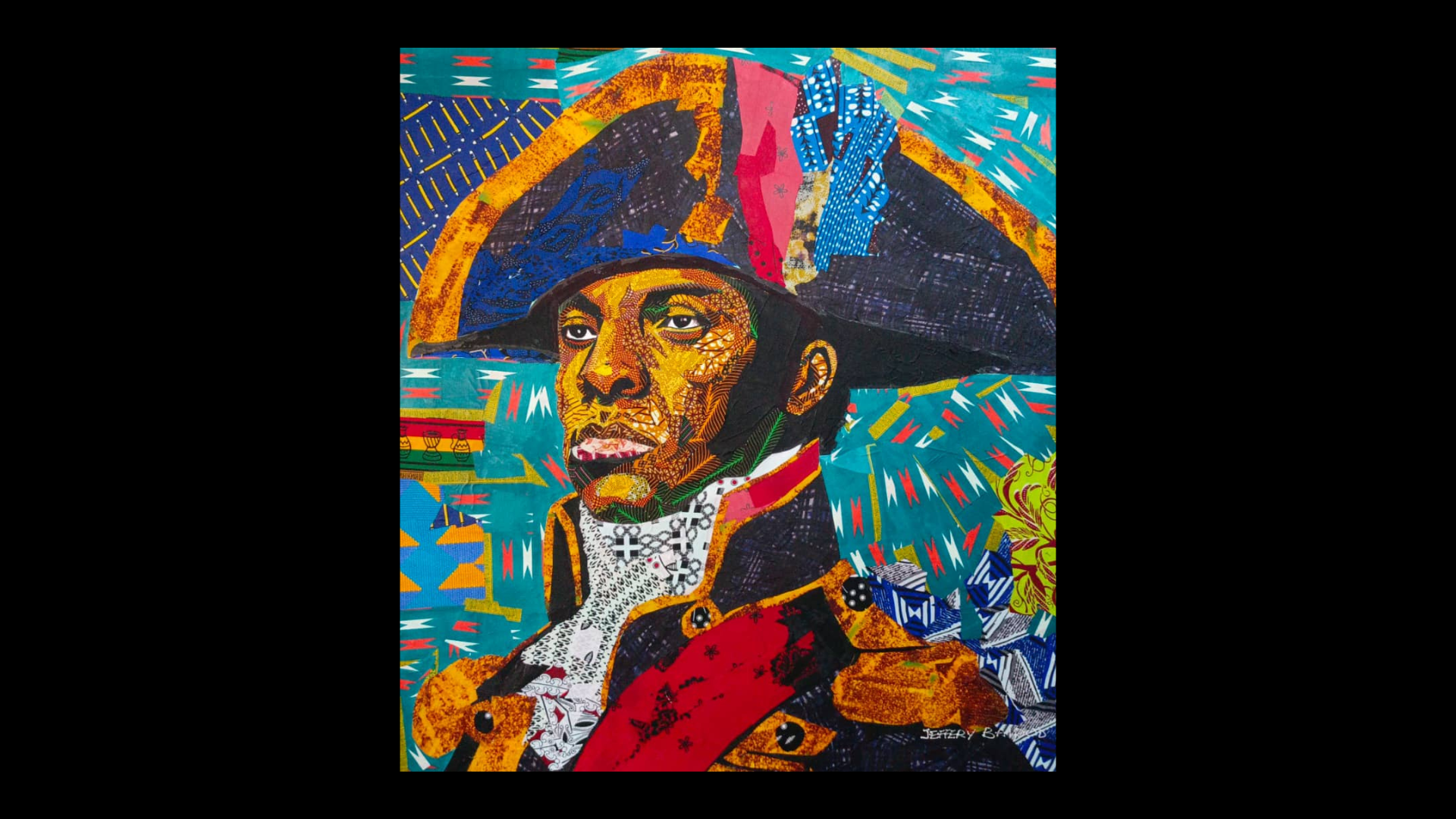
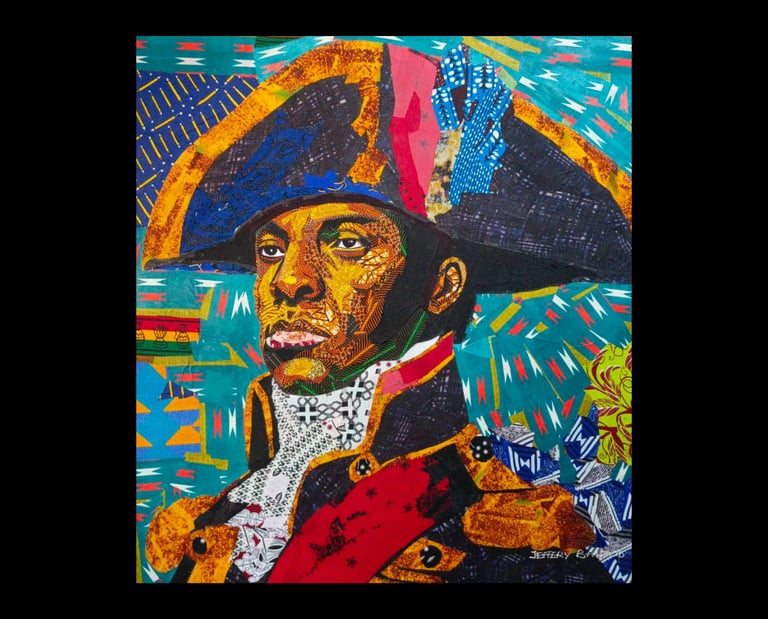
Toussaint Louverture (c. 1743 – 1803) was a former enslaved man who became the most important leader of the Haitian Revolution—the only successful large-scale slave revolt in history that led to the creation of an independent nation.
He was born into slavery on a plantation in the French colony of Saint-Domingue (modern-day Haiti). Unlike many enslaved people, he was educated and eventually gained his freedom in his 30s. When the revolution began in 1791, Toussaint joined the uprising and quickly proved himself as a brilliant military strategist and leader.
Over time, he:
Built and led a disciplined army of formerly enslaved people
Defeated French, Spanish, and British forces trying to control the colony
Abolished slavery in the territory
Became the de facto ruler of Saint-Domingue
In 1801, he issued a constitution that made him governor for life while still claiming loyalty to France. However, Napoleon Bonaparte saw this as a threat and sent troops to regain control and restore slavery.
Toussaint was captured in 1802 through deception and sent to France, where he was imprisoned in harsh conditions at Fort de Joux. He died there in 1803.
Although he did not live to see independence, his leadership laid the foundation for Haiti’s victory in 1804—the first Black republic in the world.
Why he matters:
A key symbol of resistance and Black liberation
One of the greatest military leaders of his time
A central figure in ending slavery in Haiti
In short: Toussaint Louverture transformed a slave uprising into a revolution that changed global history, proving that enslaved people could successfully fight for and win their freedom.