Frederick Douglass
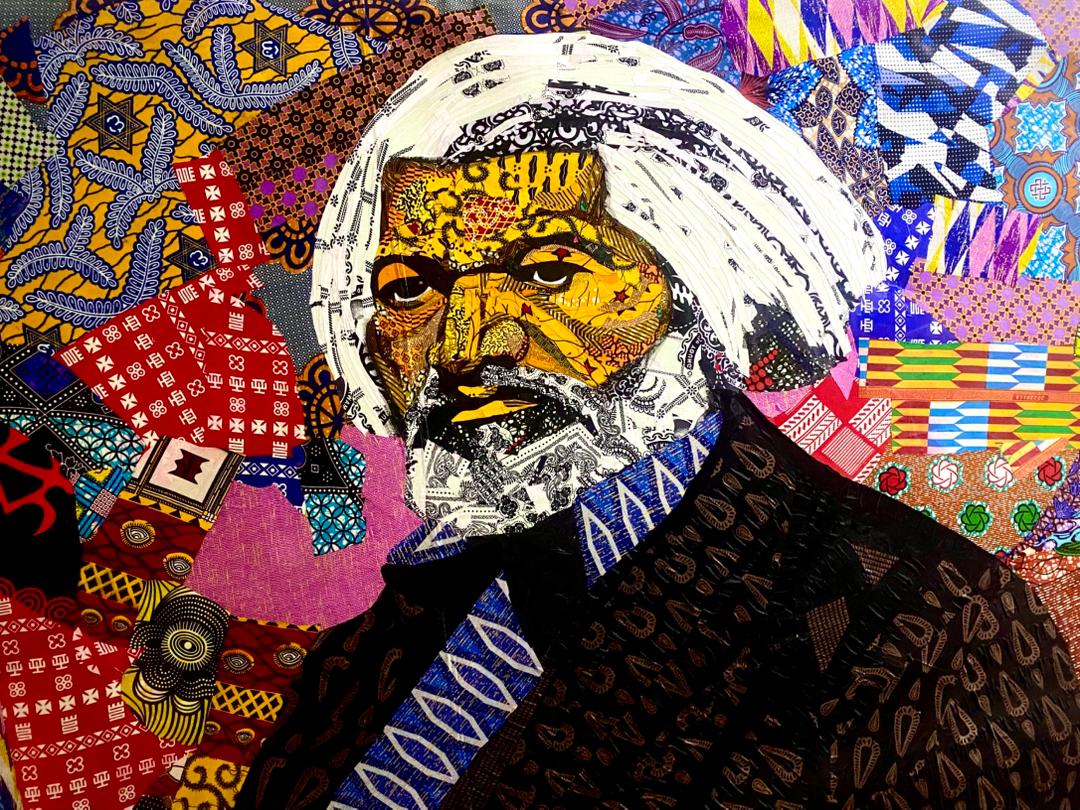
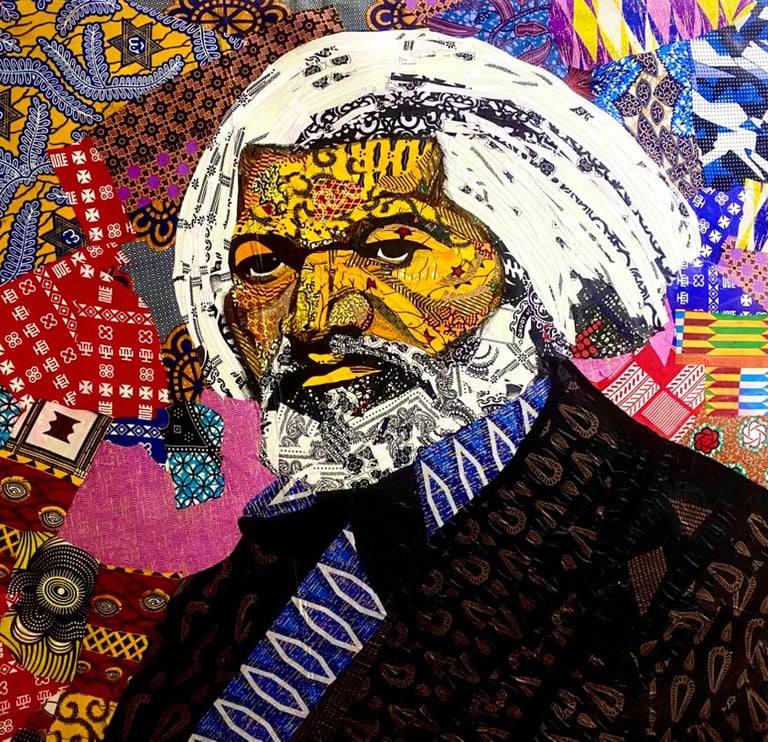
Frederick Douglass (1818–1895) was one of the most powerful voices against slavery in American history. Born into slavery in Maryland, he escaped and became a renowned abolitionist, writer, speaker, and statesman.
Early Life
Douglass was born enslaved and separated from his mother at a young age. Despite laws forbidding enslaved people from learning to read, he secretly educated himself. Literacy became one of the tools that shaped his path to freedom.
In 1838, he escaped slavery and traveled north, eventually becoming active in the abolitionist movement.
Writer and Speaker
Douglass became famous for his speeches and autobiographies, especially:
Narrative of the Life of Frederick Douglass
My Bondage and My Freedom
His writing exposed the brutality of slavery and challenged racist beliefs of the time.
One of his most remembered speeches is:
“What to the Slave Is the Fourth of July?” — a powerful critique of slavery and inequality in the United States.
Activism
Douglass worked closely with abolitionists and fought for:
The end of slavery
Equal rights for Black Americans
Voting rights
Education
Women’s rights
During the American Civil War, he encouraged Black men to join the Union Army and pushed President Abraham Lincoln to support emancipation.
Legacy
Frederick Douglass became one of the most influential intellectuals and activists of the 19th century. His life symbolized resistance, education, freedom, and the power of speaking truth against injustice.
His words and writings are still widely studied today in history, politics, and civil rights movements around the world.