
Frances Cress Welsing
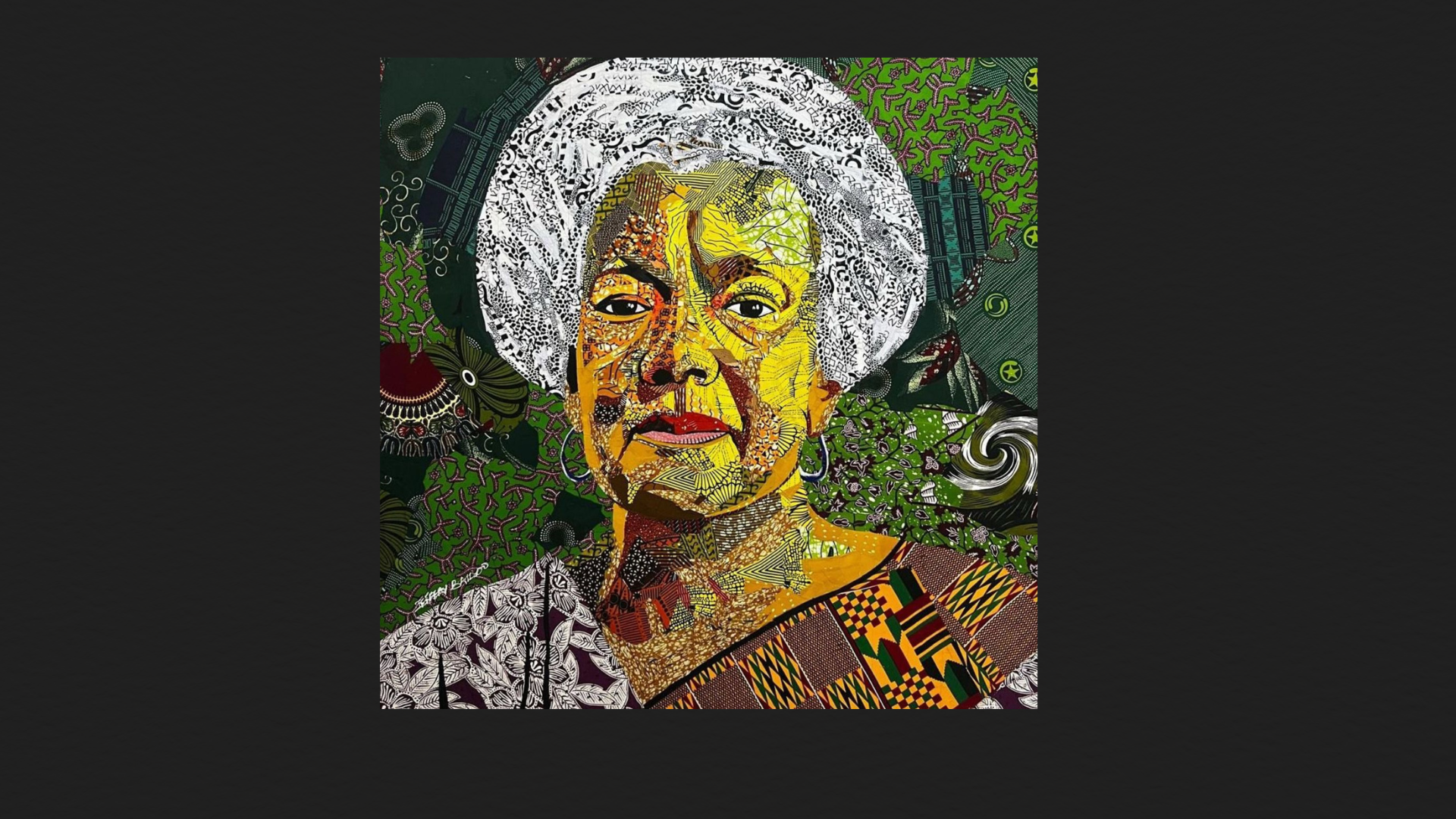
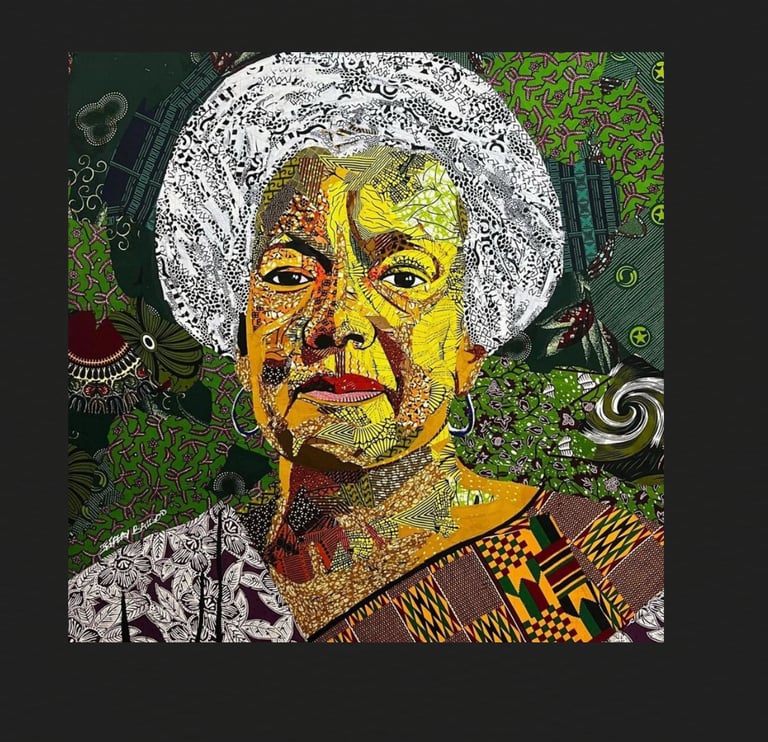
Frances Cress Welsing (1935–2016) was an American psychiatrist, author, and outspoken thinker known for her work on race, psychology, and power. She is most recognized for her book The Isis Papers, where she presented her theories on racism and white supremacy from a psychological perspective.
Born in Chicago, Illinois, Welsing grew up during a time of deep racial segregation in the United States. She pursued higher education with determination, earning her medical degree from Howard University. She later became a practicing psychiatrist in Washington, D.C., where she worked with patients while also developing her ideas about the psychological effects of racism.
Welsing is best known for developing what she called the “Cress Theory of Color Confrontation and Racism (White Supremacy)”. In simple terms, she argued that racism is a global system rooted in power and fear, particularly linked to the concept of white genetic survival. Her theory suggested that white supremacy functions as a system designed to maintain control in all areas of life, including economics, education, entertainment, and politics.
Through lectures, interviews, and writings, she encouraged Black people to better understand systems of racism and to build unity, self-respect, and independence. Her ideas sparked both strong support and significant criticism—some praised her for boldly addressing race and power, while others challenged aspects of her theories.
Beyond her theories, Welsing was a dedicated educator who worked to raise awareness about mental health, identity, and social systems affecting Black communities. She spent decades speaking across the United States and internationally, influencing students, activists, and scholars.
Frances Cress Welsing’s legacy lies in her willingness to confront difficult conversations about race and psychology. Whether one agrees with her theories or not, her work pushed discussions about racism into deeper, more analytical spaces and inspired many to critically examine systems of power and identity.