
Martin Luther King Jr.
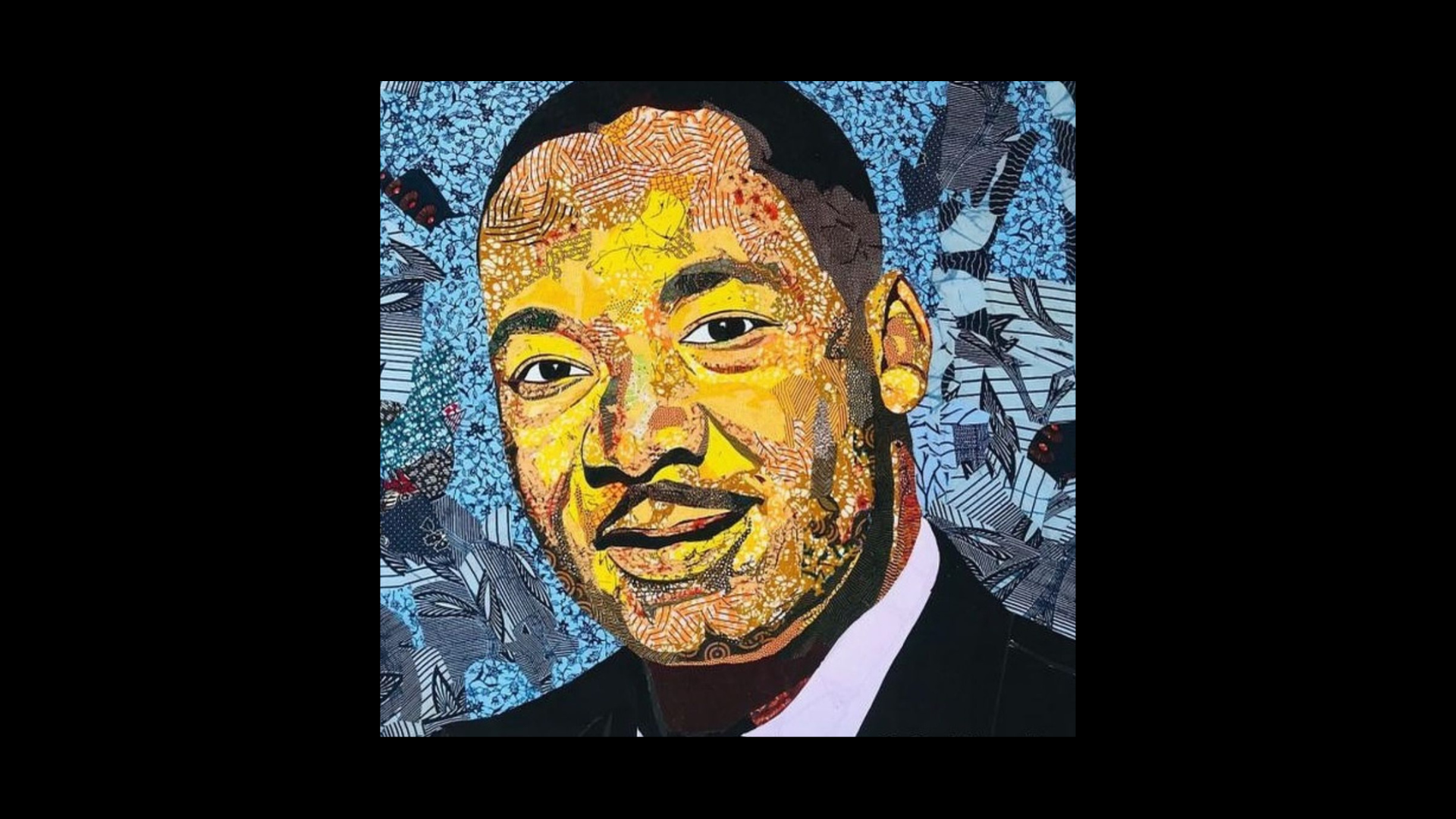
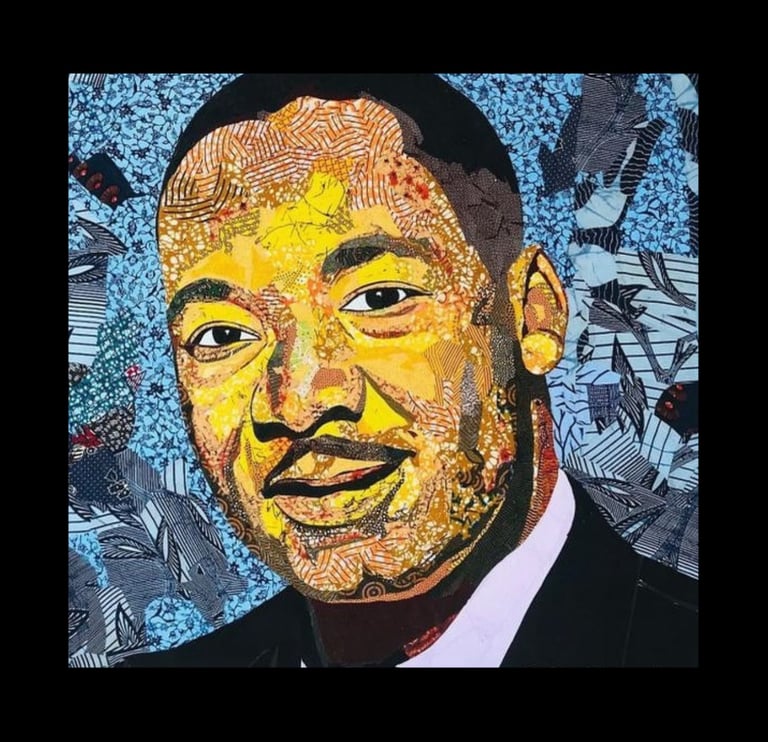
Martin Luther King Jr. (1929–1968) was an American Baptist minister and civil rights leader who became the most influential voice of the U.S. Civil Rights Movement. He is best known for leading nonviolent struggles against racial segregation and injustice in the United States.
Born in Atlanta, Georgia, King grew up in the segregated American South, where Black Americans faced discrimination in schools, housing, voting rights, and public life. He excelled academically and later earned a doctorate in theology from Boston University, becoming a pastor and public speaker.
King rose to national prominence during the Montgomery Bus Boycott, sparked after Rosa Parks refused to give up her seat on a segregated bus. He became a leader of the boycott, promoting a strategy of nonviolent resistance inspired by figures like Mahatma Gandhi.
He went on to co-found the Southern Christian Leadership Conference, which organized peaceful protests, marches, and campaigns across the United States to fight racial injustice.
One of the most historic moments of his life was the March on Washington for Jobs and Freedom, where he delivered his famous “I Have a Dream” speech, calling for an end to racism and for equality among all people.
King also played a major role in major civil rights victories, including the Civil Rights Act of 1964 and the Voting Rights Act of 1965, which helped dismantle legal segregation and protect voting rights for Black Americans.
In 1964, he was awarded the Nobel Peace Prize for his commitment to nonviolent resistance and justice. He used the award to continue advocating for equality, economic justice, and human rights.
In his later years, King expanded his focus to include poverty and opposition to the Vietnam War, arguing that injustice in any form must be confronted.
On April 4, 1968, Martin Luther King Jr. was assassinated in Memphis, Tennessee. His death shocked the world but also strengthened the movement he helped lead.
Today, Martin Luther King Jr. is remembered as a global symbol of peace, justice, and equality. His message of nonviolence and his vision of a world free from racism continue to inspire movements for human rights across the globe.