
Fannie Lou Hamer
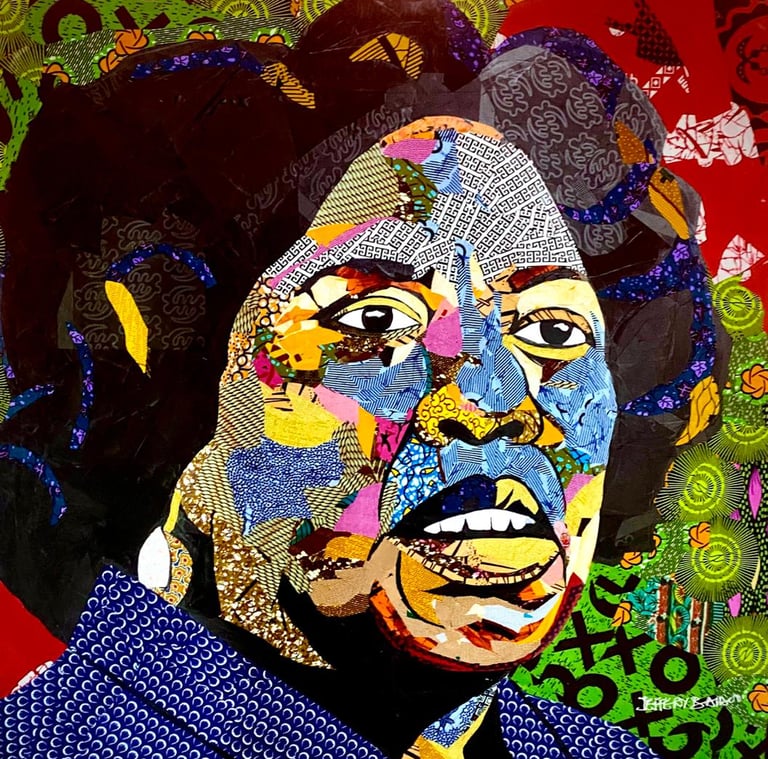
Fannie Lou Hamer (1917–1977) was a fearless American civil rights activist who became one of the strongest voices for voting rights and racial justice in the United States. Born in Mississippi to a family of sharecroppers, she grew up in deep poverty and began working in the fields at a young age, experiencing firsthand the harsh realities of racism and economic exploitation in the segregated South.
Her life changed in 1962 when she attended a meeting organized by the Student Nonviolent Coordinating Committee (SNCC). Inspired, she decided to register to vote—an act that was dangerous for Black people at the time. After attempting to register, she was fired from her job and forced to leave her home, but she refused to back down.
Hamer became a powerful organizer, helping Black citizens register to vote despite threats, intimidation, and violence. In 1963, she was arrested and brutally beaten in jail, an experience that left her with lifelong injuries—but it only strengthened her resolve to fight for justice.
In 1964, she co-founded the Mississippi Freedom Democratic Party (MFDP), which challenged the all-white Mississippi delegation at the Democratic National Convention 1964. Her televised testimony about the violence and discrimination she faced shocked the nation and brought global attention to the struggle for voting rights.
Hamer was known for her powerful words, especially her famous statement:
“I’m sick and tired of being sick and tired.”
This phrase became a defining expression of the Civil Rights Movement.
Beyond politics, she also worked to improve economic conditions for Black communities. She helped launch programs aimed at food security and self-sufficiency, believing that true freedom included both political and economic empowerment.
Fannie Lou Hamer’s courage and leadership helped pave the way for major changes, including the passage of the Voting Rights Act of 1965. She remains a symbol of grassroots activism, resilience, and the power of ordinary people to create extraordinary change. Her legacy reminds the world that true leadership comes from standing up for justice—no matter the cost.