
Queen Moremi Ajasoro
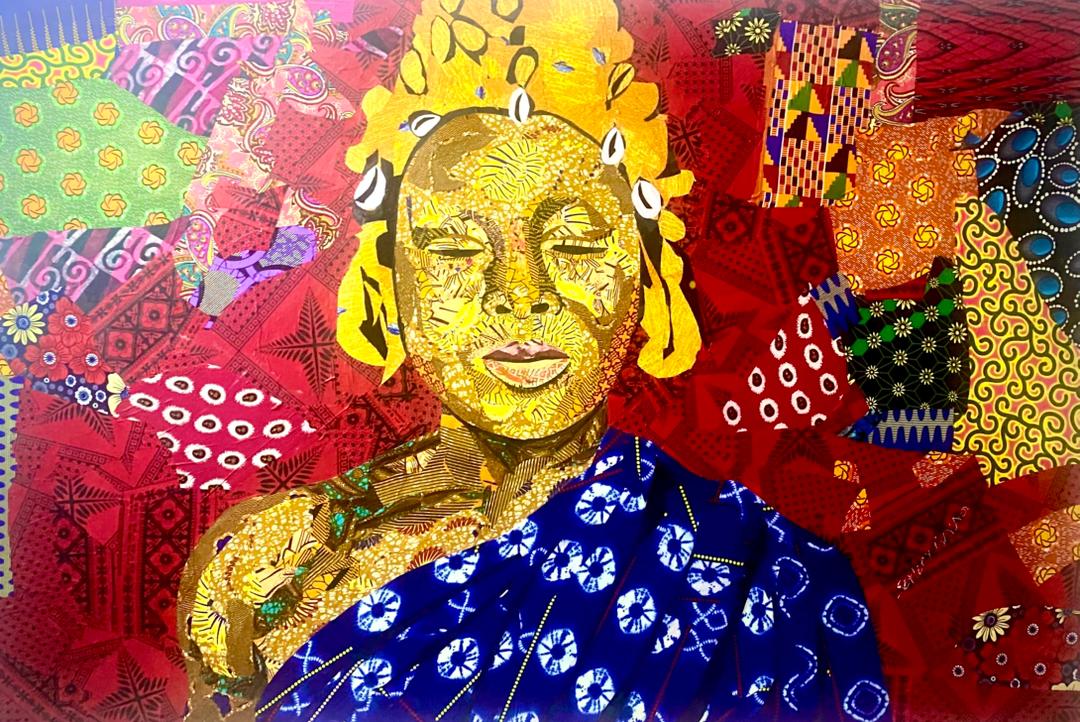
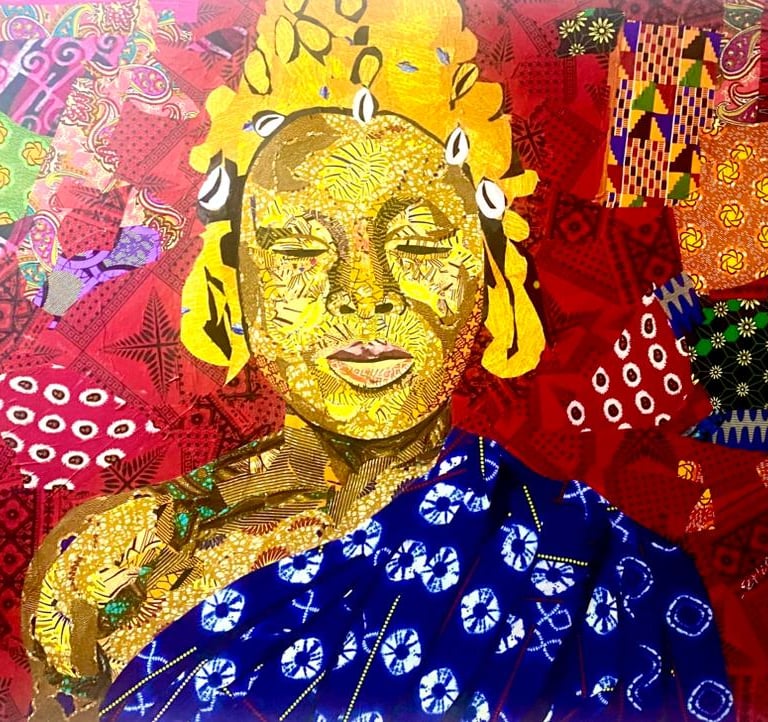
Long before colonial Nigeria, in the sacred Yoruba city of Ile-Ife, there lived a woman whose name became synonymous with courage, intelligence, sacrifice, and nationhood: Queen Moremi Ajasoro. She was not merely a queen by marriage; in Yoruba memory, she became the spiritual mother of resistance. At a time when Ile-Ife was under constant attack by terrifying raiders, the people lived in fear. The invaders appeared almost supernatural — covered in raffia, emerging from forests without warning, burning villages and taking captives. Many believed they were spirits rather than men.
Moremi refused to accept fear as destiny. Instead of waiting for warriors to solve the crisis, she chose to uncover the enemy’s secret herself. According to Yoruba oral tradition, she surrendered herself deliberately and allowed the invaders to capture her. Inside their camp, she discovered the truth:
The feared “spirits” were ordinary men disguised in raffia costumes designed to terrify the people of Ife.She learned another crucial weakness: fire. After gaining their trust, Moremi escaped and returned to Ile-Ife. She revealed the secret to her people and instructed them to set the raffia costumes ablaze during the next attack. The strategy worked. The invaders were defeated, and Ile-Ife was saved.
But victory came with a devastating cost.
Before beginning her mission, Moremi had prayed to the river spirit Esimirin, promising that if she succeeded, she would sacrifice what she loved most.
That price became her only son, Oluorogbo.
In many retellings, the grief of the people was so profound that Oluorogbo was later deified, and Moremi herself became immortalized as the embodiment of selfless leadership.
Why Moremi Still Matters
Moremi’s story survives not because it is old, but because it speaks to timeless ideas:
Leadership requires sacrifice.
Intelligence can defeat brute force.
Women are central to the defense and survival of society.
Freedom often carries a painful price.
For many Yoruba people, Moremi represents:
patriotism,
feminine strength,
strategic brilliance,
and moral courage.
She stands beside legendary African figures whose stories shaped collective identity across generations.