Khalid Muhammad
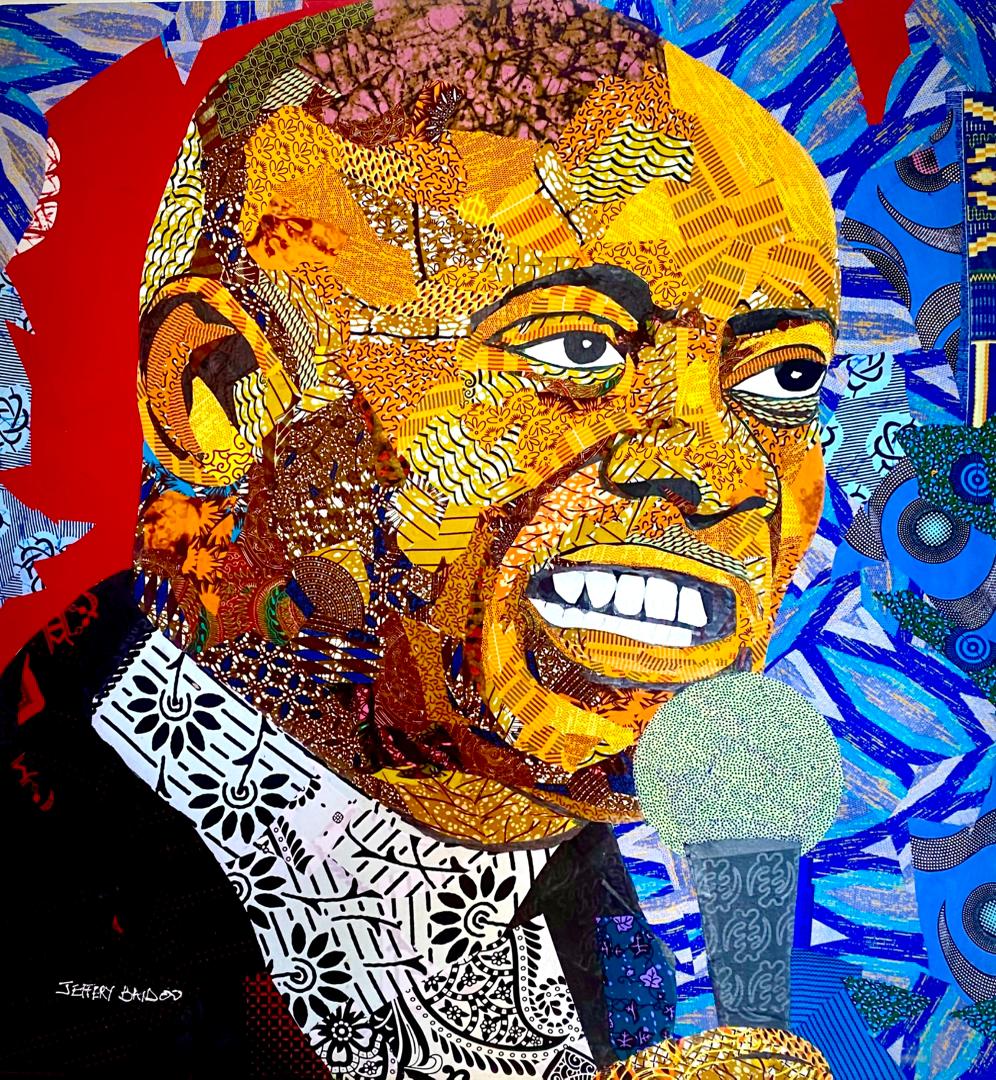
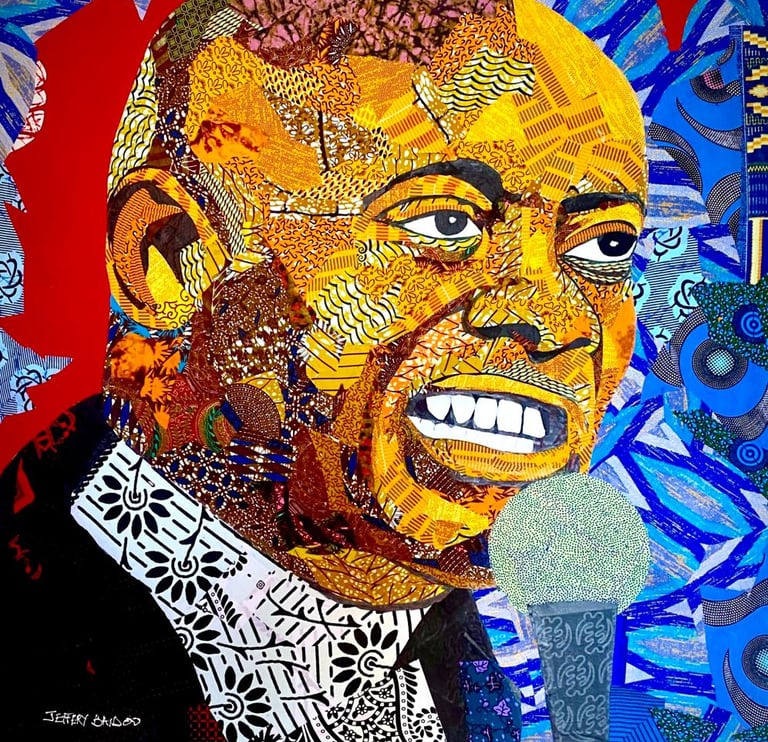
Khalid Abdul Muhammad (1948–2001) was an American activist, speaker, educator, and Black nationalist leader known for his powerful speeches on Black empowerment, African history, and resistance against racism and oppression. He became one of the most recognized and controversial voices in Black political activism during the late 20th century.
Born Harold Moore Jr. in Houston, Texas, he grew up during the era of segregation and racial tension in America. He later attended college and became increasingly involved in political and religious activism. Inspired by the teachings of Malcolm X and Black liberation movements, he eventually joined the Nation of Islam.
Within the Nation of Islam, Khalid Abdul Muhammad rose to prominence as a national spokesperson and minister. He became widely known for his intense speaking style, commanding presence, and deeply researched lectures on African civilizations, slavery, colonialism, and systemic racism.
His speeches often encouraged:
Black pride and self-respect
Economic independence
Political awareness
Unity within Black communities
Study of African history and identity
He was admired by many supporters for speaking boldly about racism and injustice without fear.
However, Khalid Abdul Muhammad was also one of the most controversial public figures of his time. Some of his speeches and remarks about racial and ethnic groups were widely criticized as offensive and inflammatory. These controversies eventually led to tensions with leadership inside the Nation of Islam.
After leaving the organization, he continued his activism independently and later became associated with Black nationalist and Pan-African political movements. He traveled widely, giving lectures at universities, community centers, and public events across the United States and internationally.
Despite his controversial reputation, many supporters viewed him as a passionate defender of Black dignity and historical awareness. His speeches continue to circulate online and remain influential in some activist and Pan-African circles today.
Khalid Abdul Muhammad died in 2001 from a brain aneurysm at the age of 53. His legacy remains deeply debated—seen by some as a fearless truth-teller and by others as a divisive and controversial figure. Regardless of perspective, he remains an important figure in discussions about Black nationalism, activism, and political speech in modern history.